
COMPLETING THE GIRD
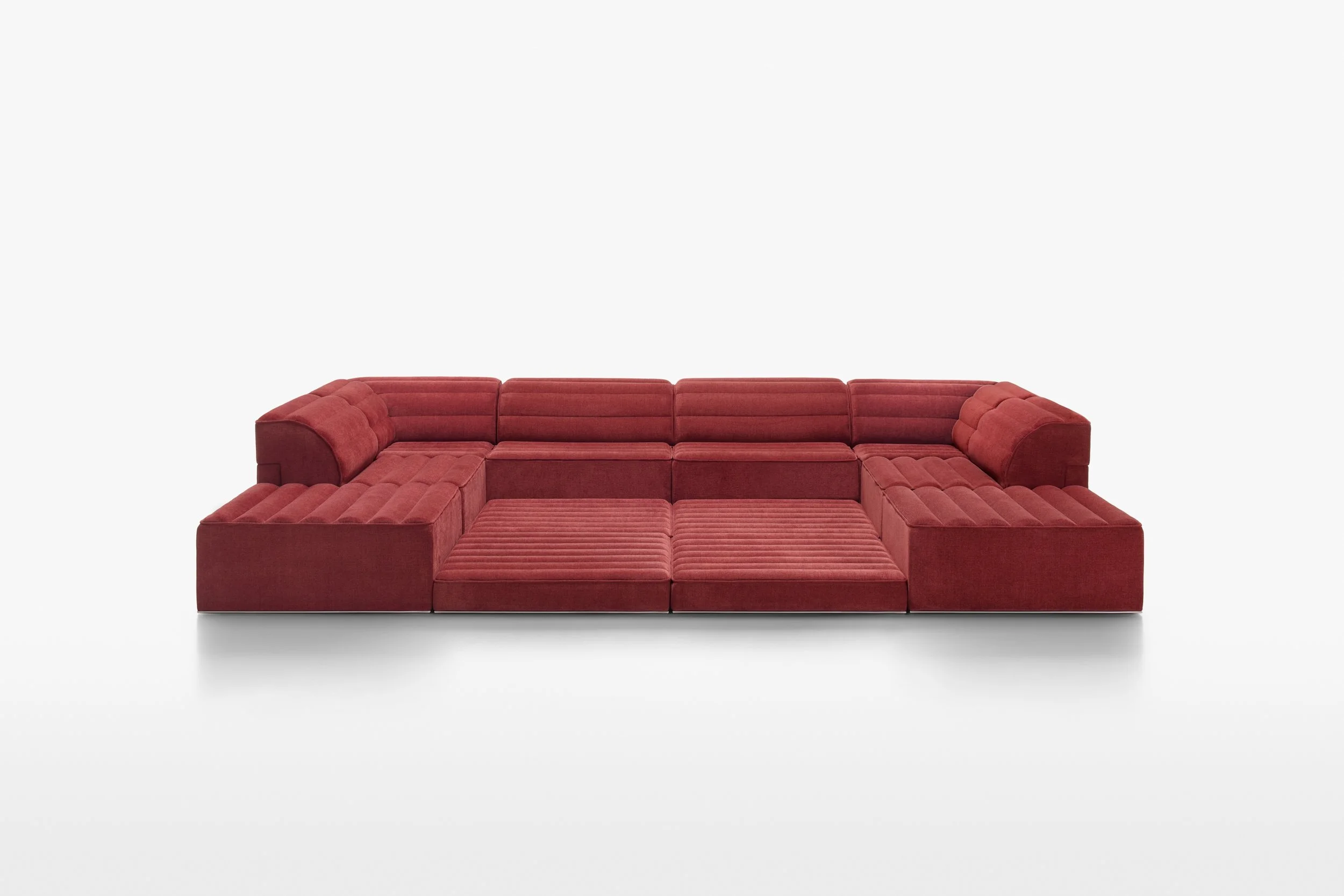
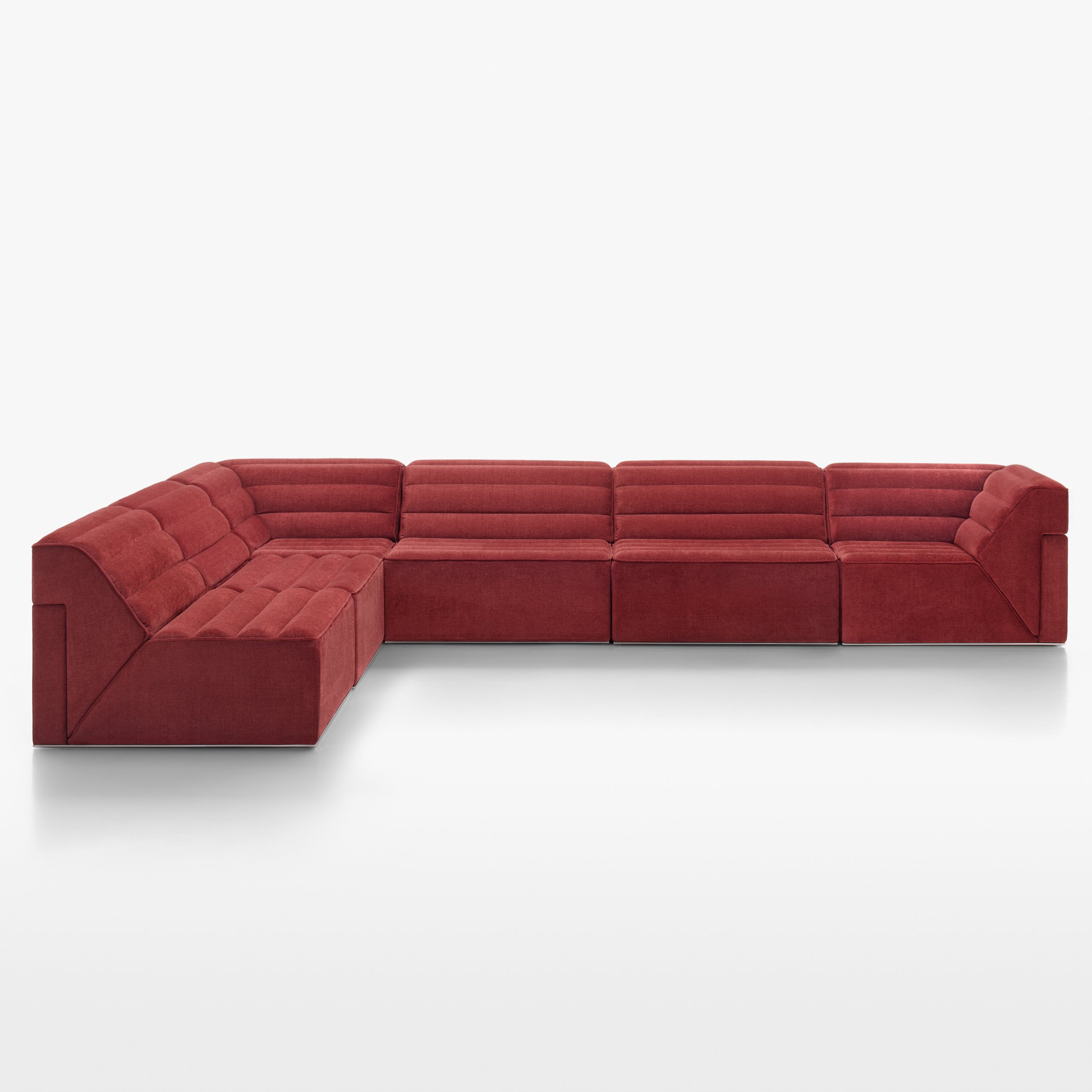
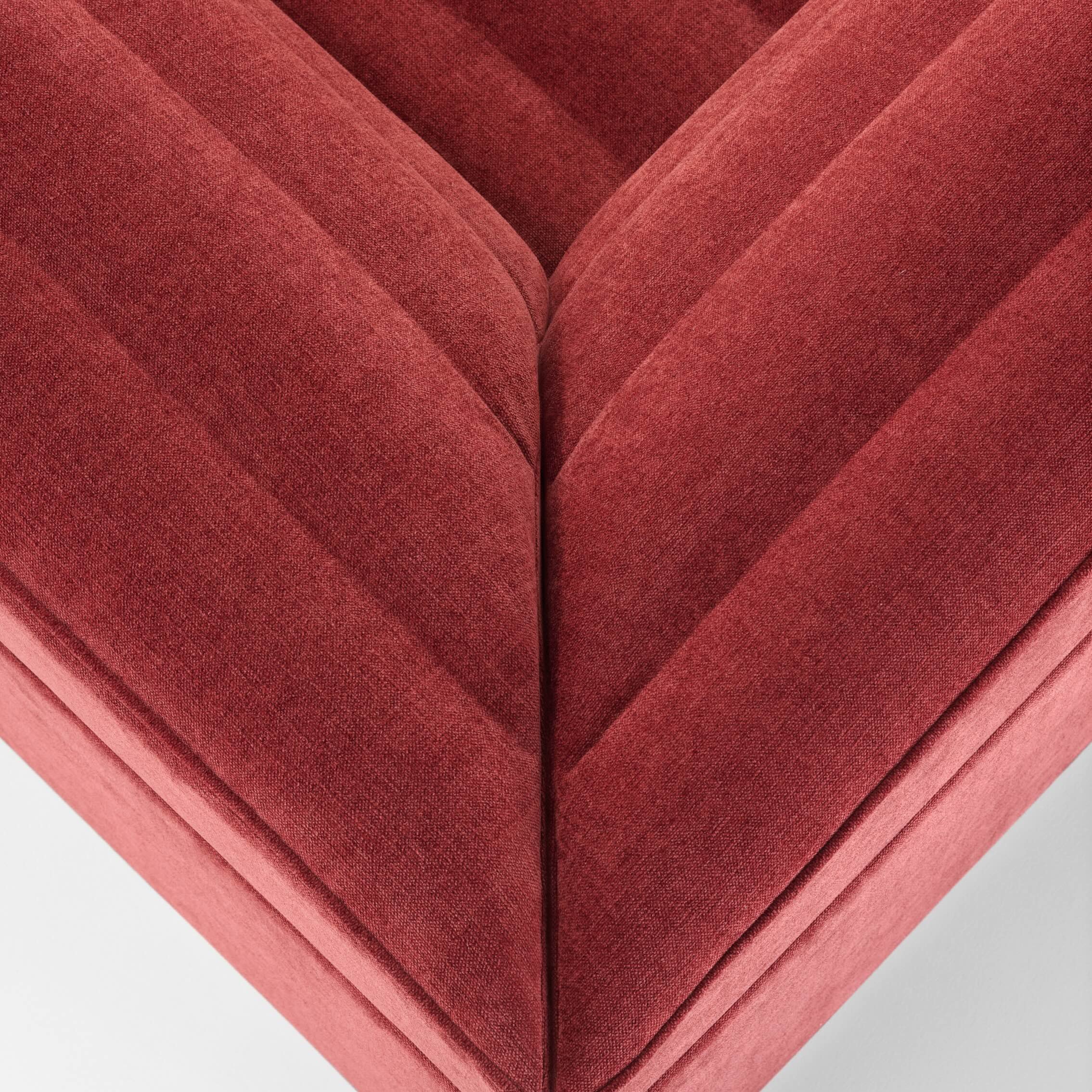
PRODUCT: FREE SYSTEM SOFA
Corner Pocket
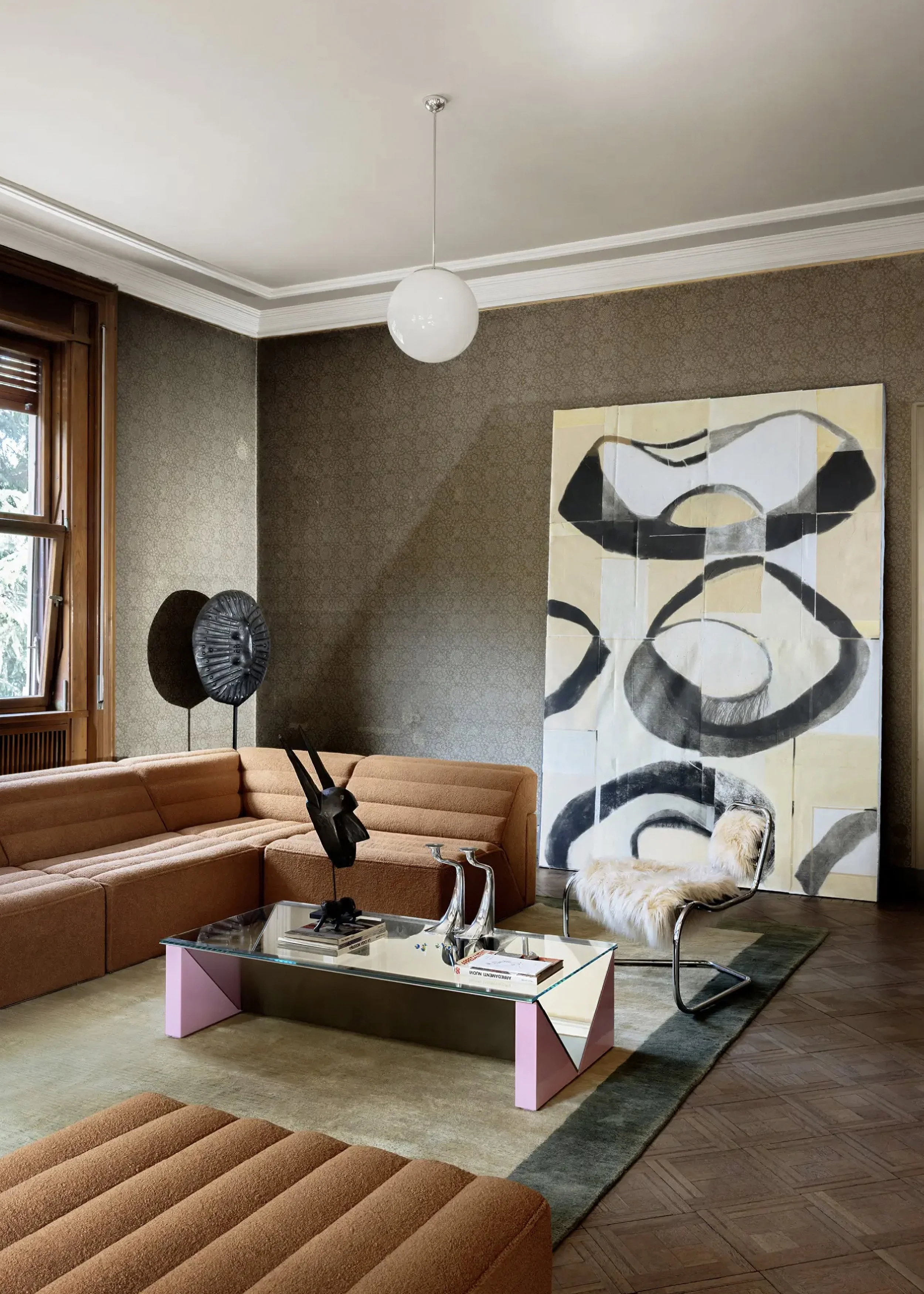
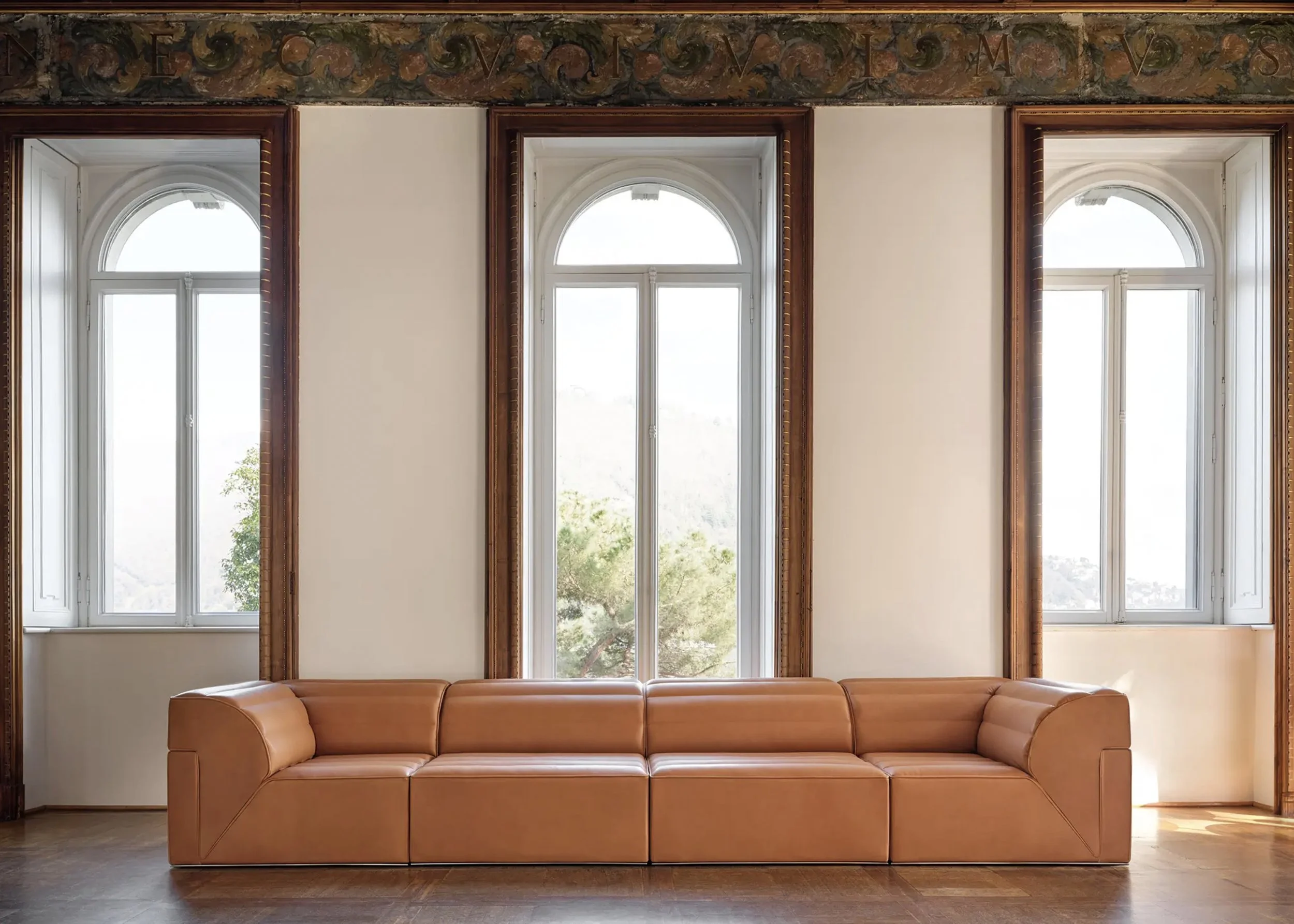
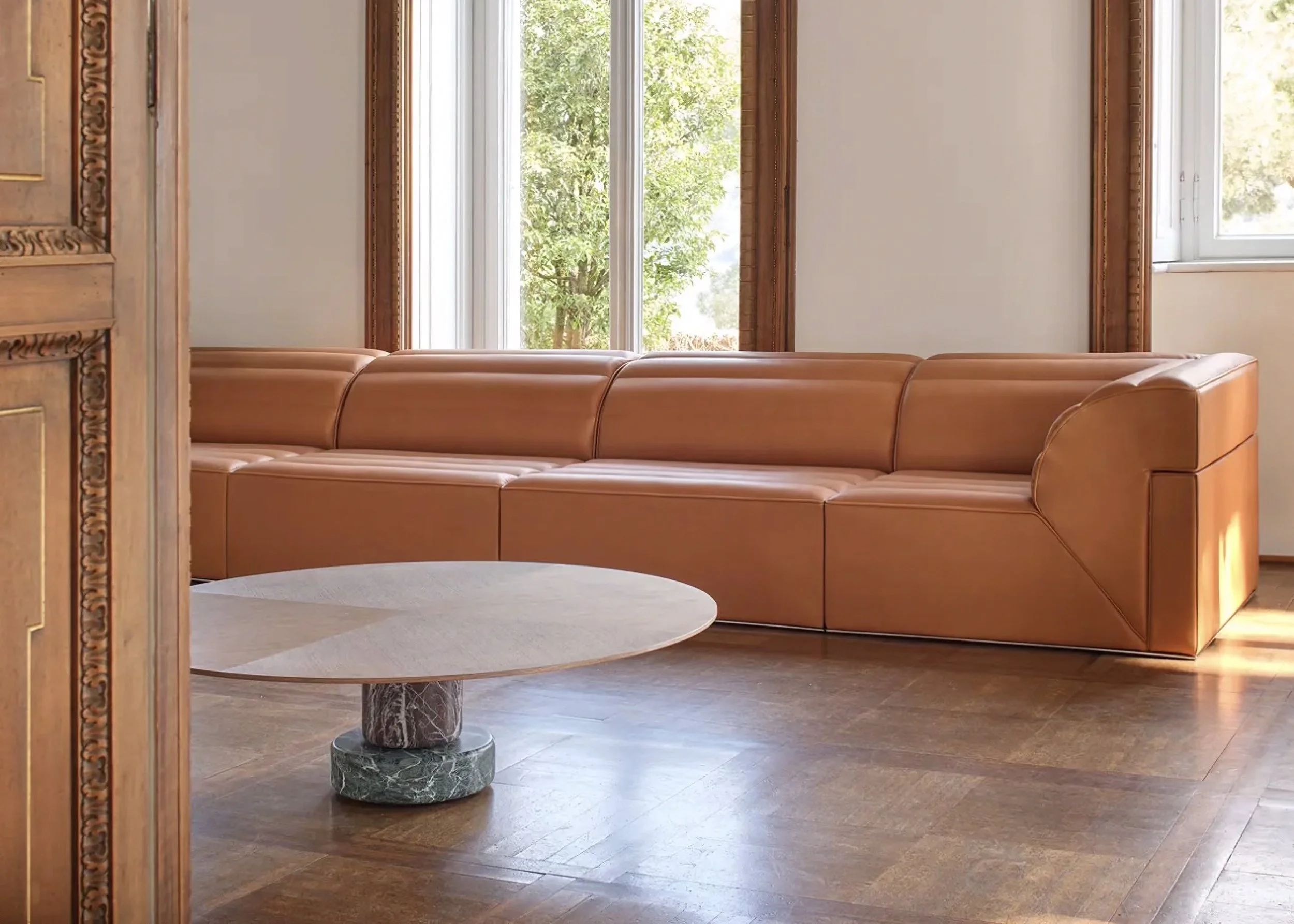
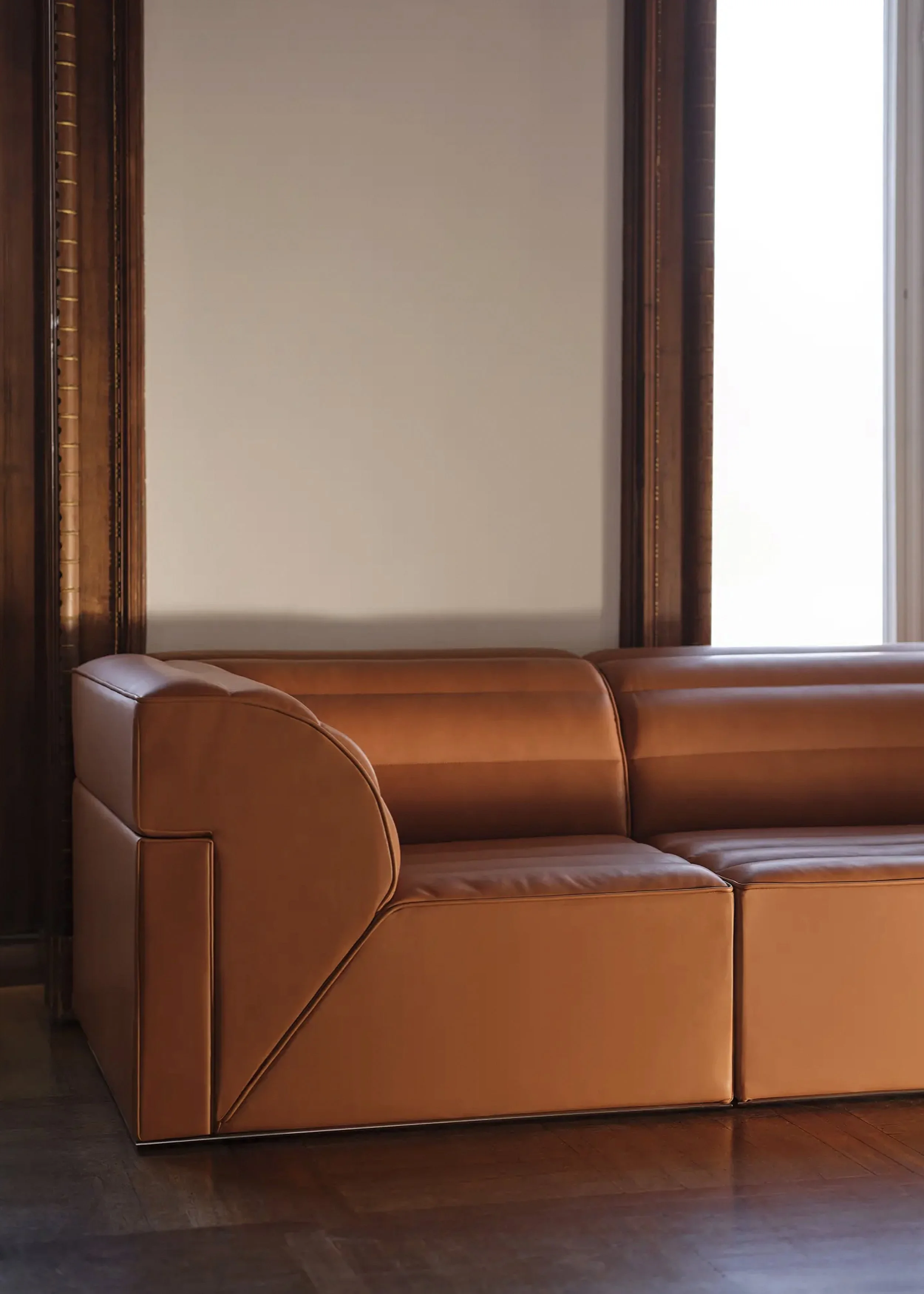
Introduced this year at Salone del Mobile 2026, the Free System has a new member in its family. The corner seat module enables articulated compositions, adapting to different residential geometries. The latest expansion of the Free System collection provides further freedom in creating compositions.
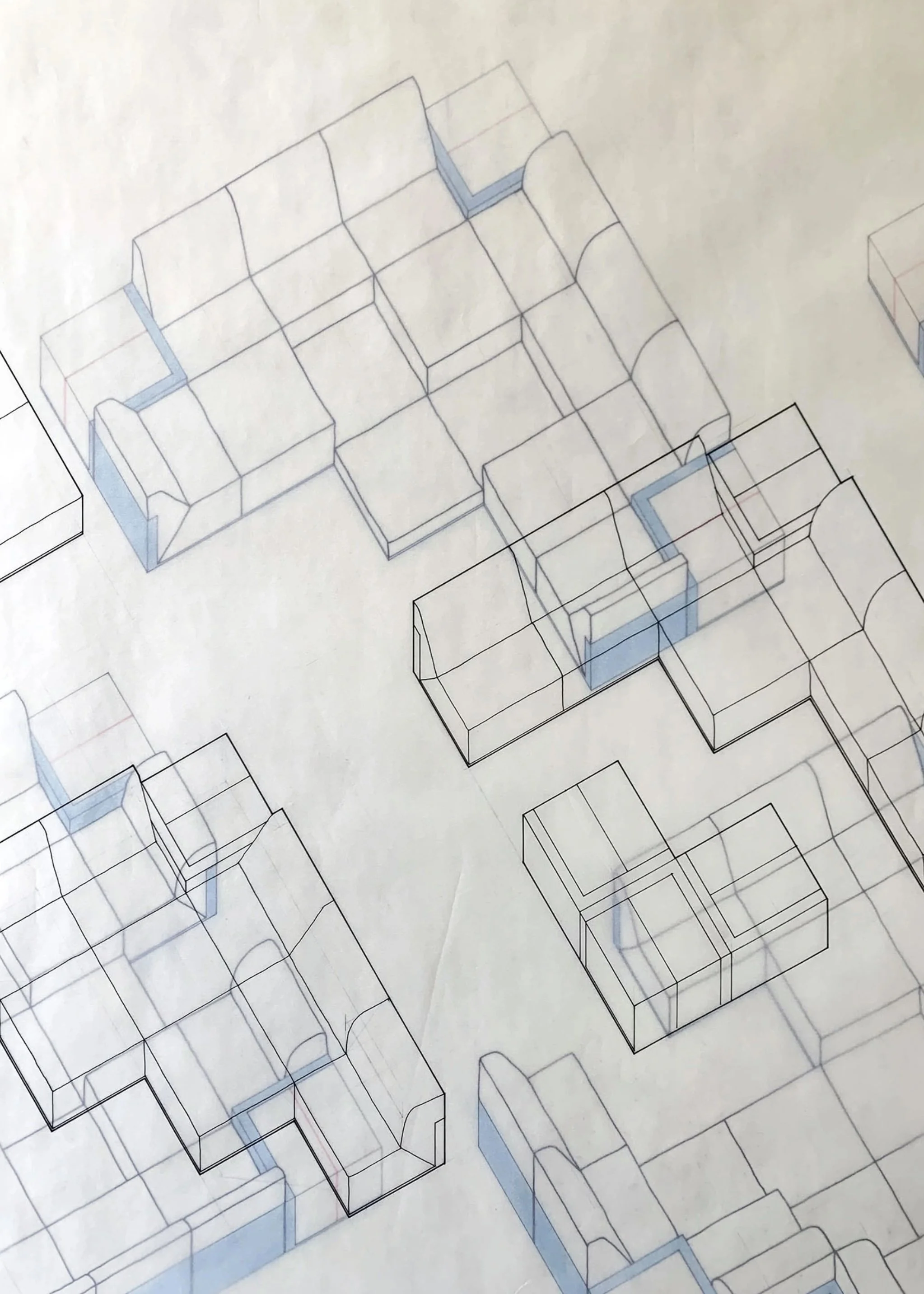
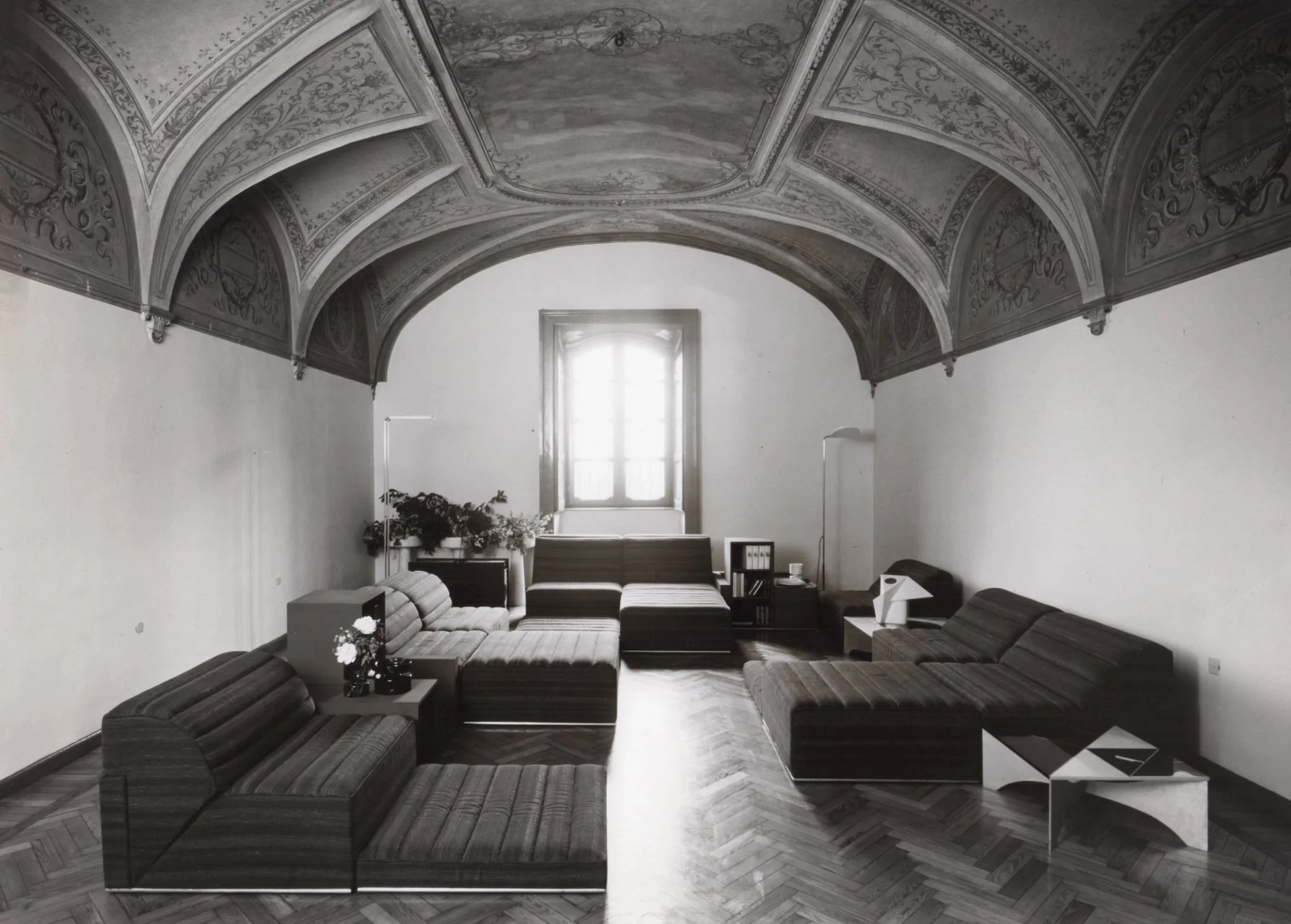
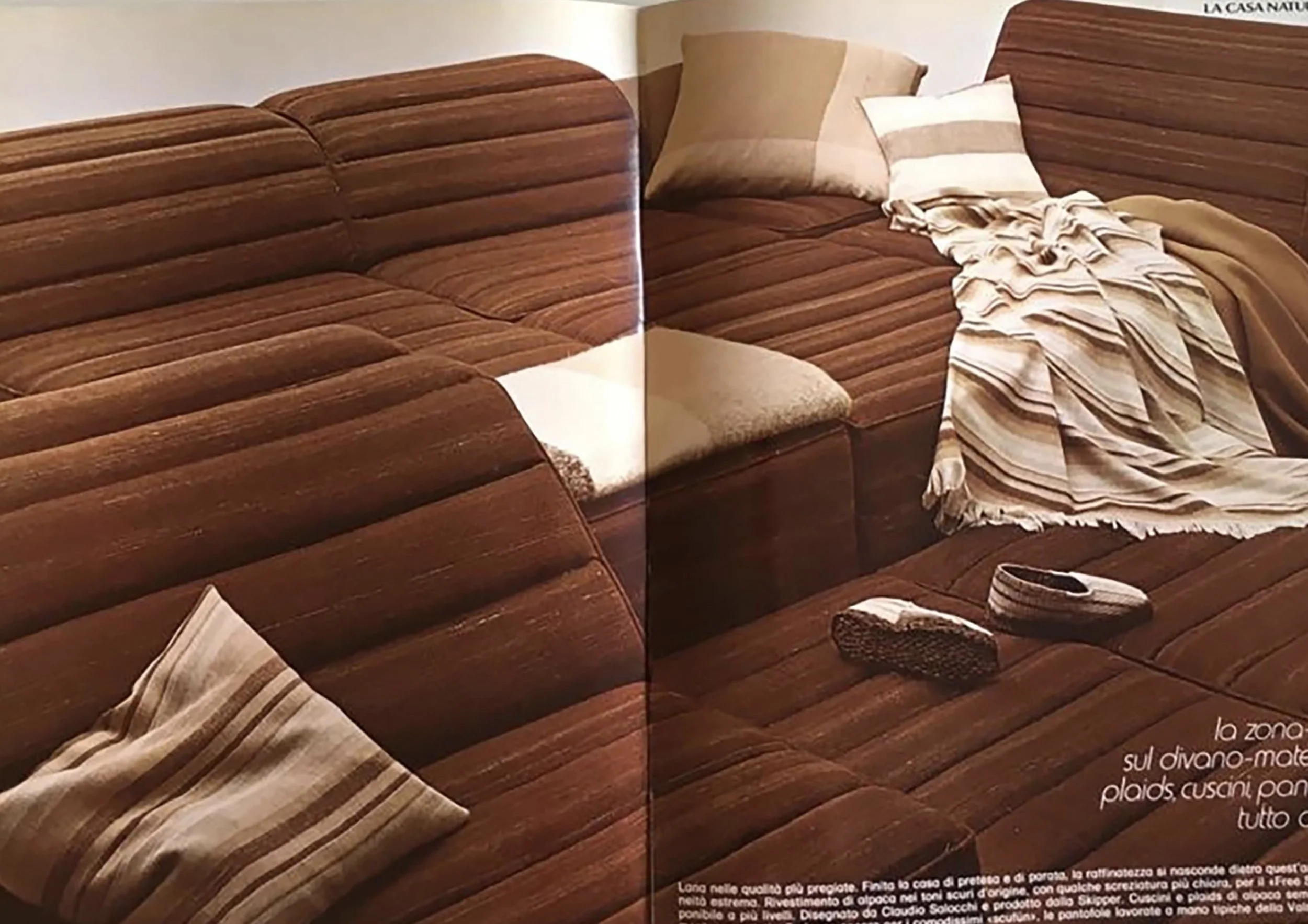
In 1973, Claudio Salocchi designed Free System, an upholstered sofa system based on the concept of an “operational flooring”, inspired by the tatami, in which modules can be freely combined. A project that interprets a fluid and open idea of space, expressing a new vision of living. Corner modules, seats with interchangeable backrests, poufs and tatami elements shape a modular program capable of generating a wide range of configurations: from islands that encourage a free, versatile and informal way of experiencing the living area to more classic linear or corner arrangements
.
Brescia Design Week
Acerbis takes part in the first edition of Brescia Design Week, a new event dedicated to design, art and the culture of design, scheduled from 4 to 7 June 2026 at Villa Lanfranchi, Palazzolo sull’Oglio. The project features the participation of Zenucchi Design Code, a long-standing partner that shares with Acerbis an approach rooted in design culture, quality of living, and the ability to create a dialogue between furniture, architecture and contemporary vision.
The exhibition path features some of the brand’s most iconic products, including re-editions from the Remasters collection and contemporary projects: from Free System, Storet and Palla to Lokum and Trench. These pieces express the identity of Acerbis through different languages, eras and visions, confirming the brand’s ability to move through time with designs of strong character and enduring relevance.
The inaugural theme, “Scenari Domestici”, invites reflection on living as a tangible practice, connected to the way spaces are inhabited, experienced and transformed over time. Within this context, Acerbis presents an installation in which some of the most representative projects from the collection enter into dialogue with the historic architecture of the villa, creating a narrative suspended between heritage and contemporaneity.
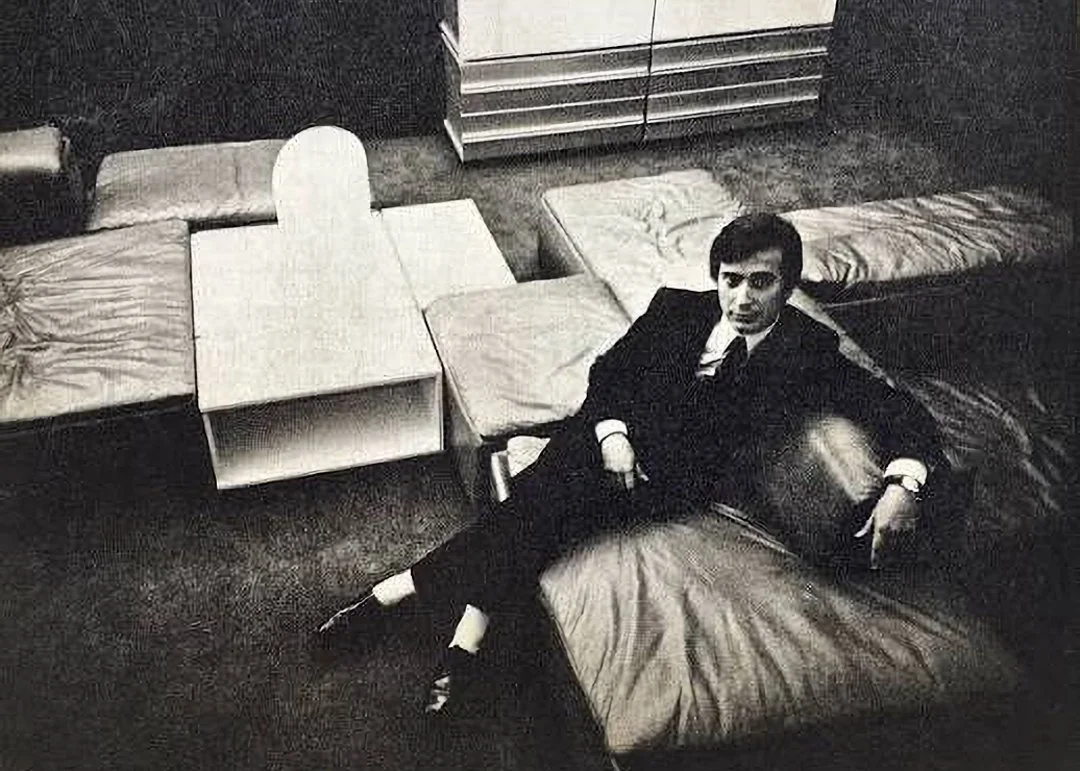
Claudio Salocchi
Claudio Salocchi (Milan, 1934 – 2012) was an Italian architect and designer. He was a protagonist of the creative ferment of the 1960s and 70s, deeply attuned to the cultural and social transformations of the time. Through his work, he translated those changes into projects that anticipated forms, functionalities, technologies, and new typologies—many of which became trends years later. In his long career he was internationally involved for more than fifty years in the fields of industrial design, architecture and interior design.
From 1967 he was a member of ADI, the Association for Industrial Design, of which he was vice president from the 80s until the beginning of the 90s. He was an independent and unclassifiable figure. As a designer, his work was closely tied to exclusive collaborations with emerging companies of the time. These companies quickly distinguished themselves through unique products, making a significant contribution to the history of Italian design. He researched and was interested in prefabrication, creativity, and design matters, and with the group “Ricerche Non Finalizzate” – he took part in the expositions at the Triennale di Milano in 1968 and 1973.
As for architecture, his work found its best expression in the refurbishing of preexisting buildings, transformed in a functional and modern way. These renovations produced a new dialogue between the landscape and lands of the soul, often with the magic touch of contemporary art. For his research into the synthesis of form and function, he received the Compasso d’Oro award in 1979 for Metrosistema, a kitchen equipment system designed for homes and communities. He also earned two special mentions for other projects. A third mention was received in 1987, at the 14th edition of the award.
SERVICES
IN-EX IS MORE THAN A FURNITURE SHOWROOM
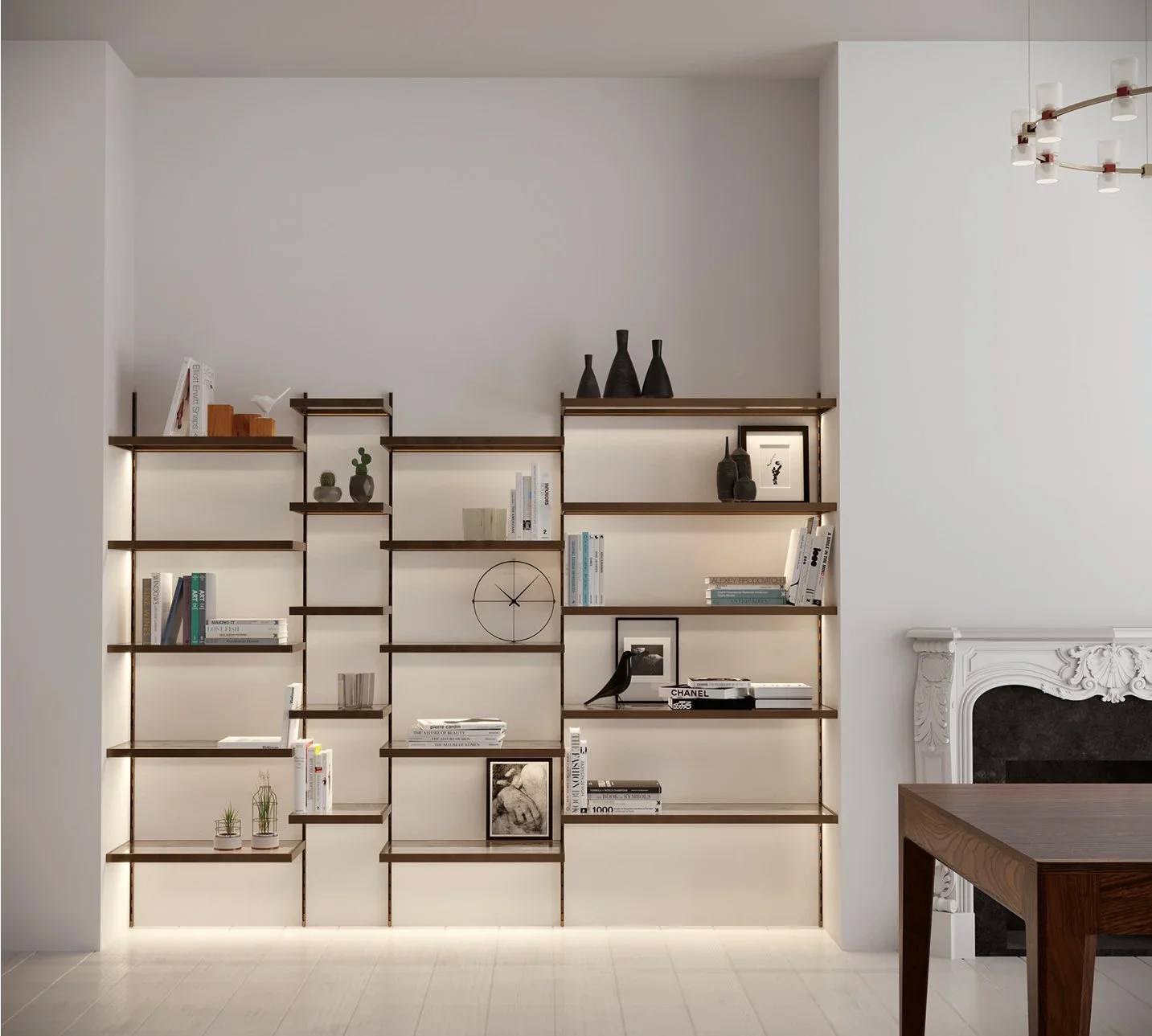
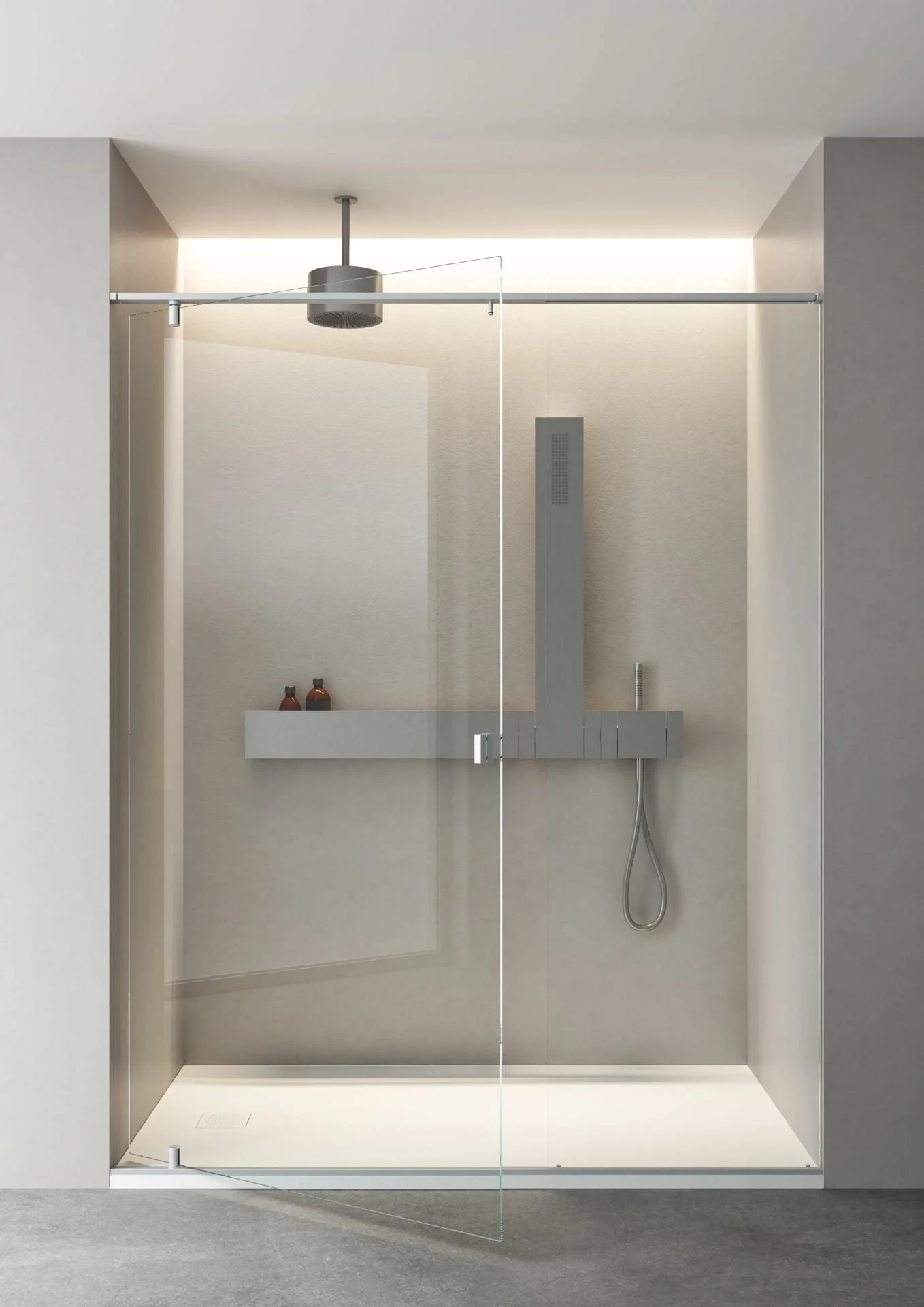
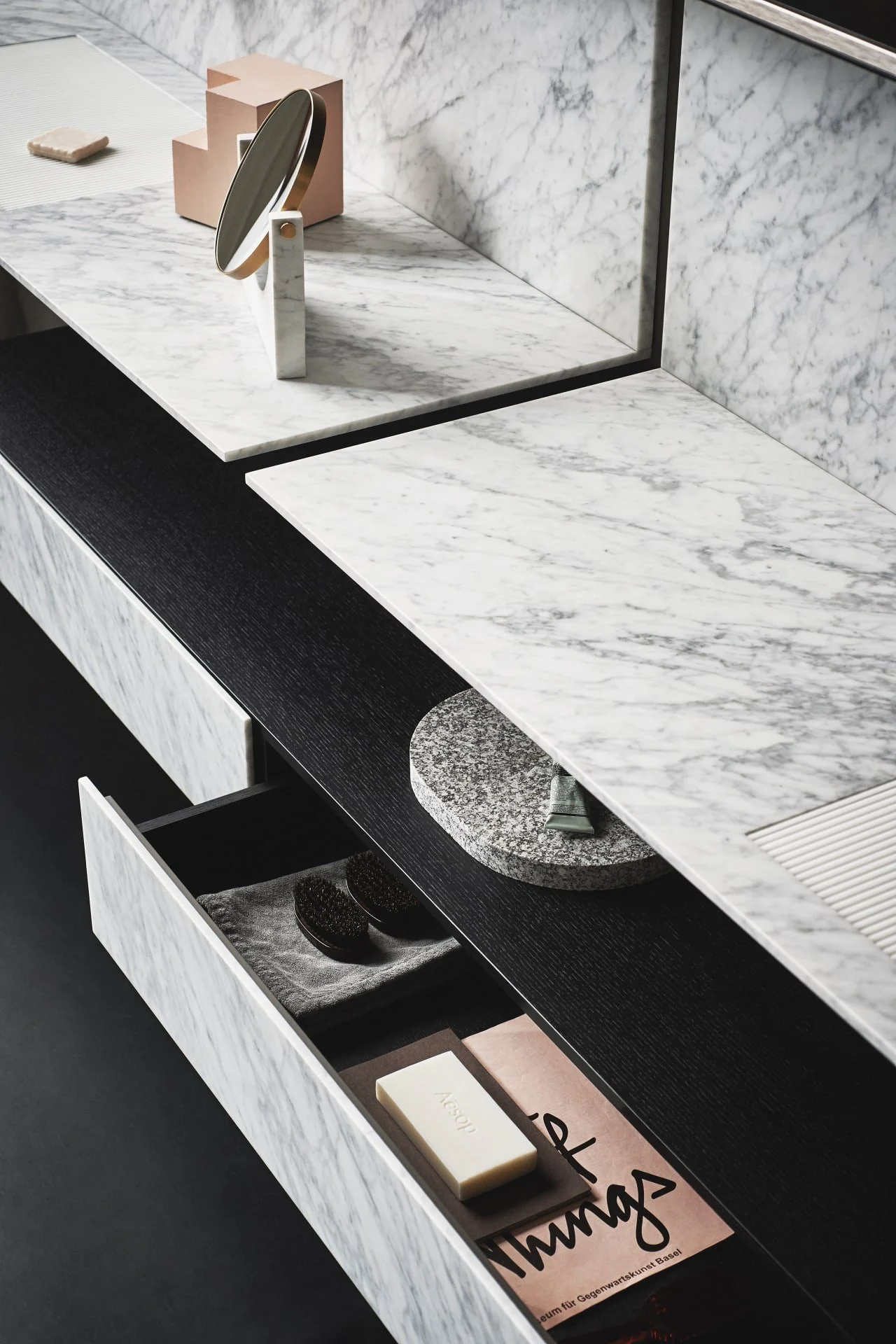
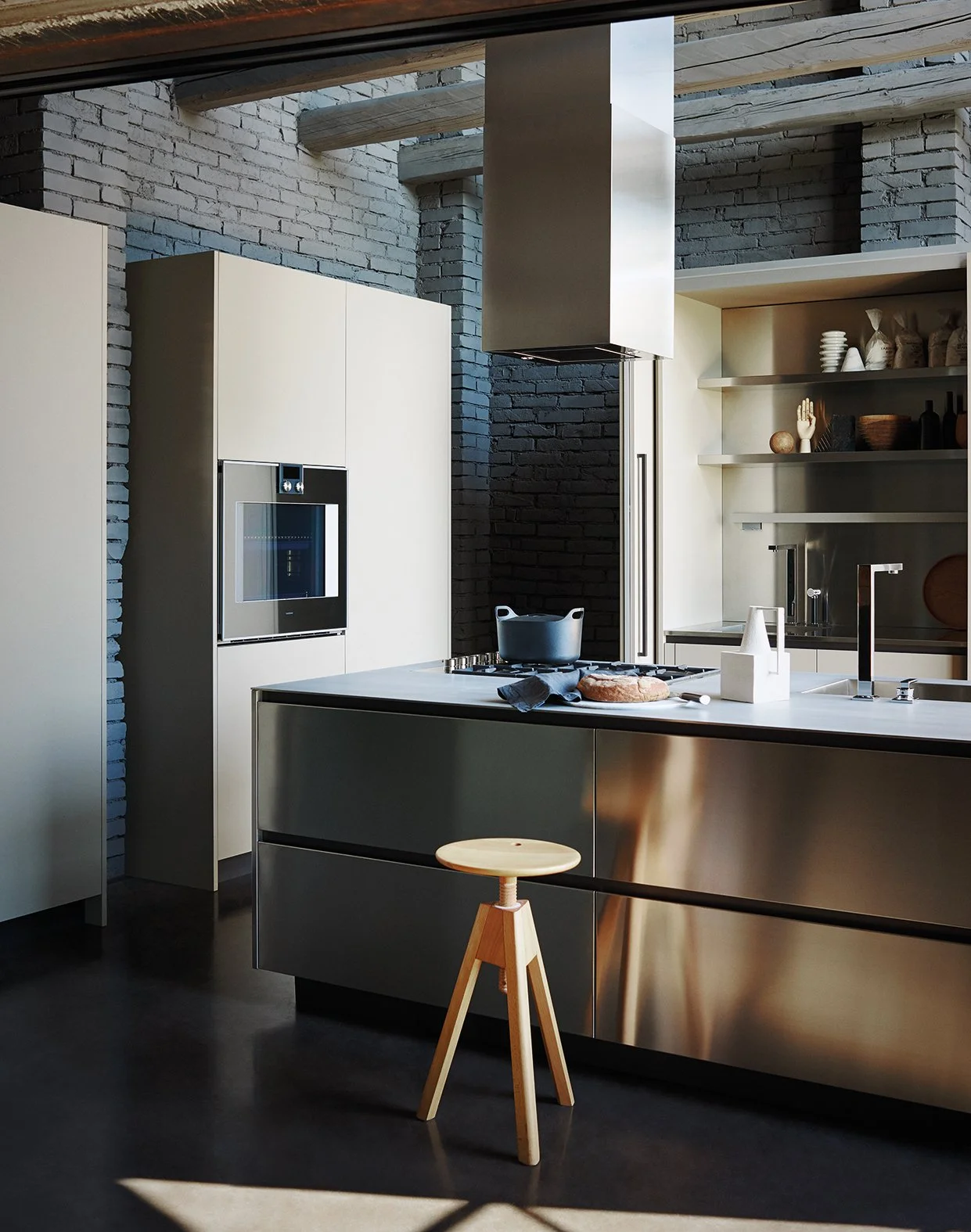
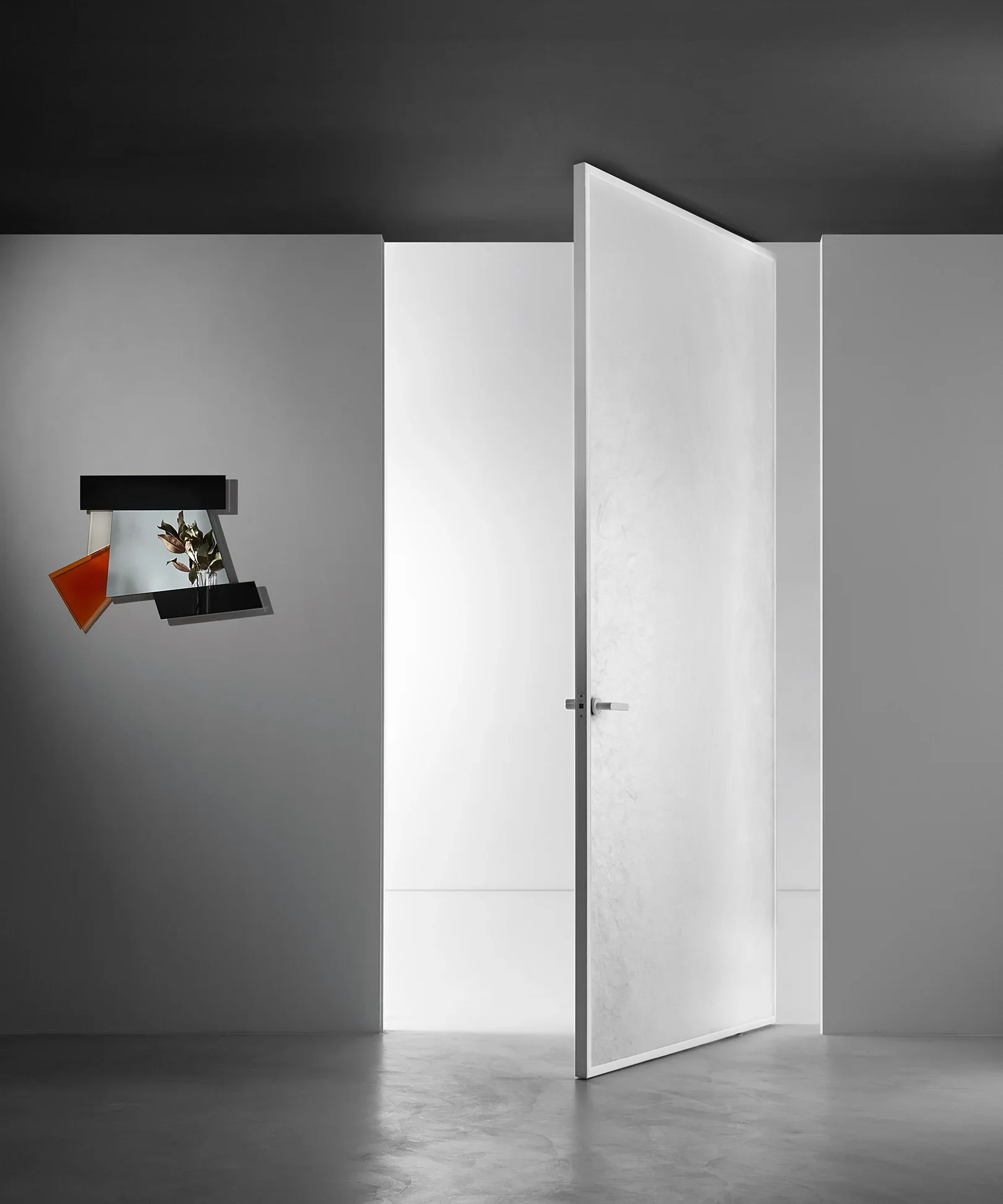
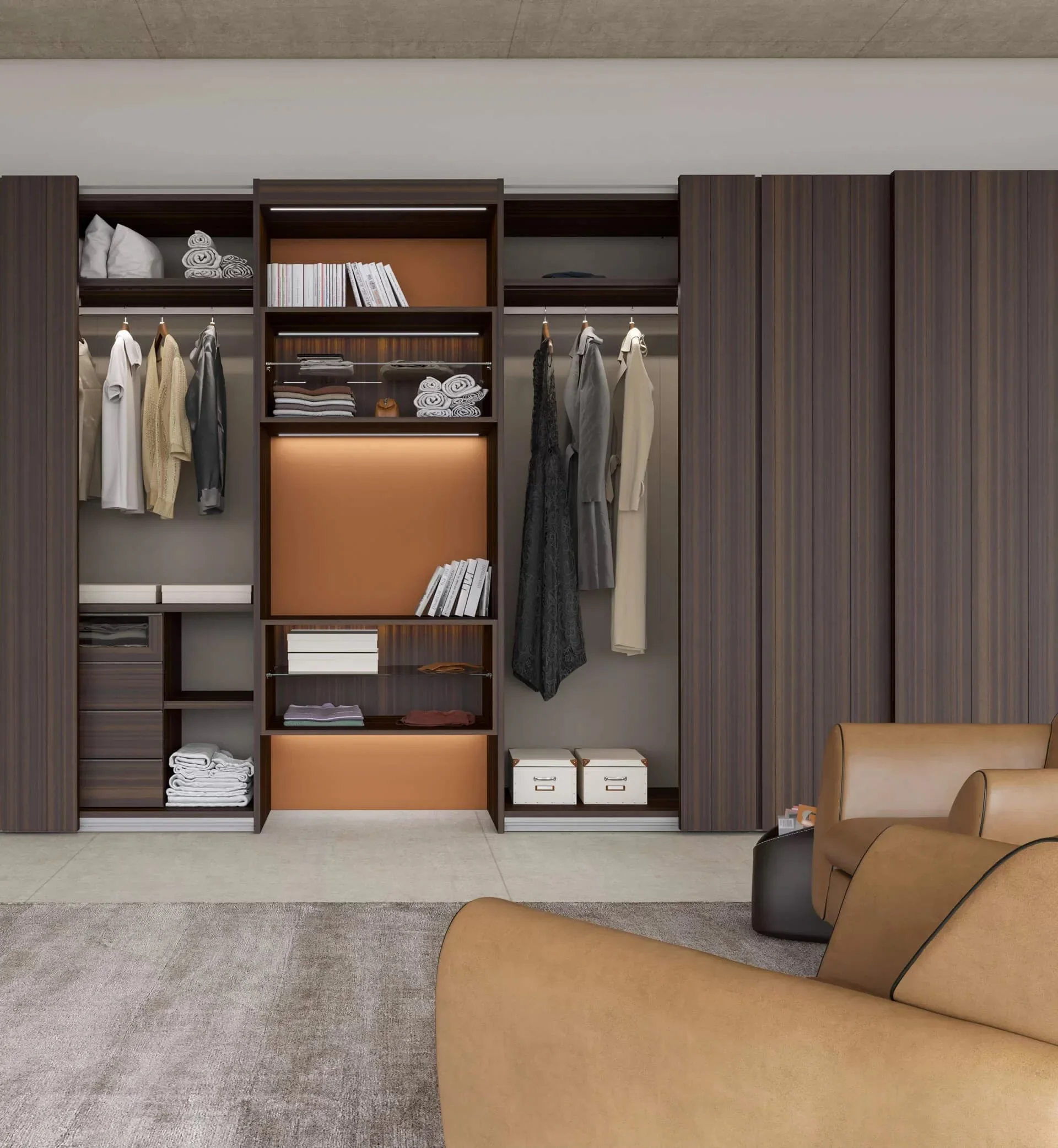
FOR OVER THREE DECADES, WE HAVE OPERATED AT THE INTERSECTION OF INTERIOR DESIGN, TECHNICAL DETAILING, AND EUROPEAN MANUFACTURING, BRINGING TOGETHER INTERIORS, SYSTEMS, AND CONCEPTS INTO ONE COHERENT VISION. SINCE 1992, IN-EX HAS FORGED ENDURING RELATIONSHIPS WITH A SELECT GROUP OF EUROPEAN MANUFACTURERS OF CONTEMPORARY FURNITURE, KITCHENS, BATHROOM, LIGHTING, AND STORAGE. MANY OF THESE PARTNERSHIPS SPAN DECADES AND THAT CONTINUITY GIVES US A RARE FAMILIARITY WITH EACH MANUFACTURER.
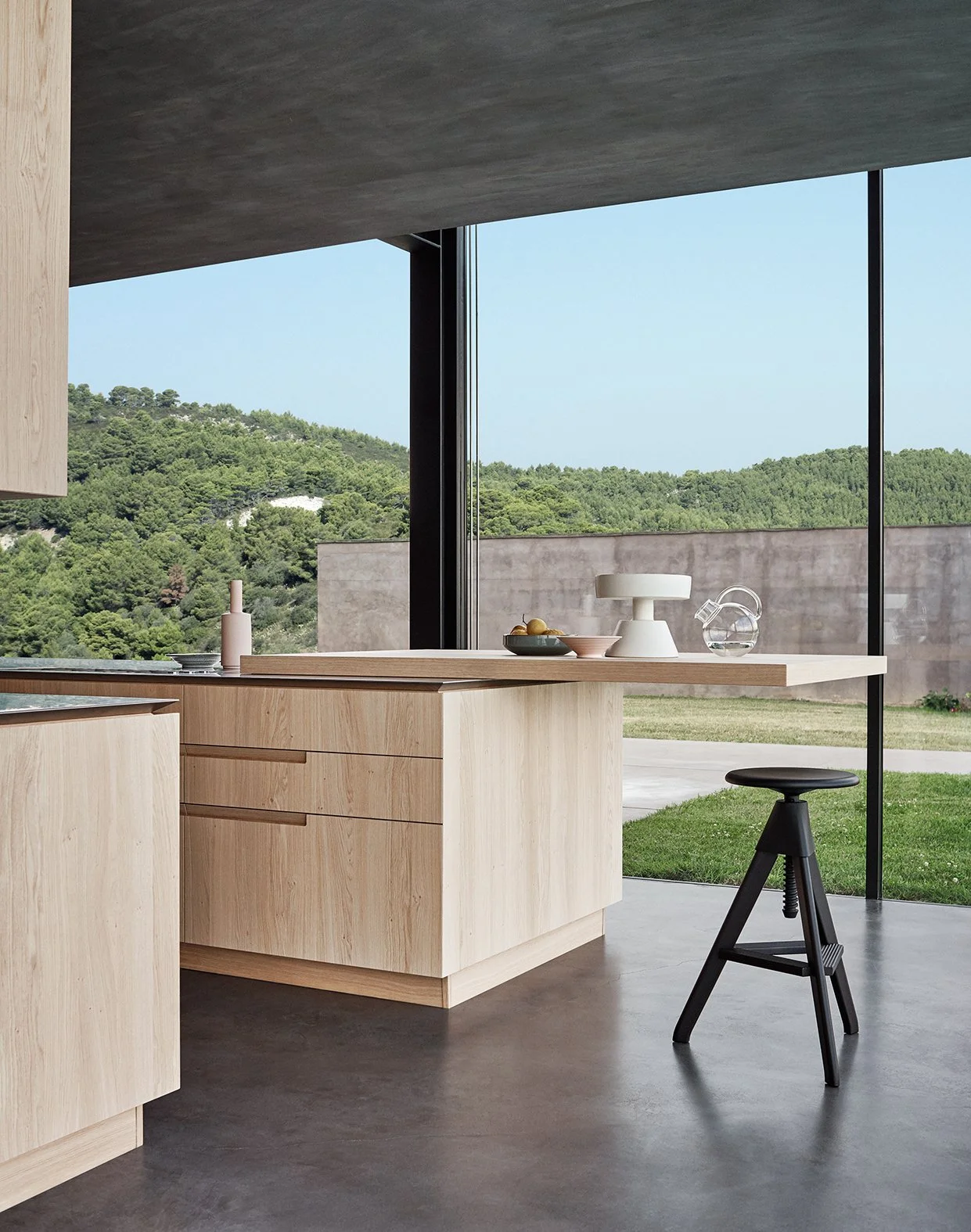
adaptive nature of intarsio
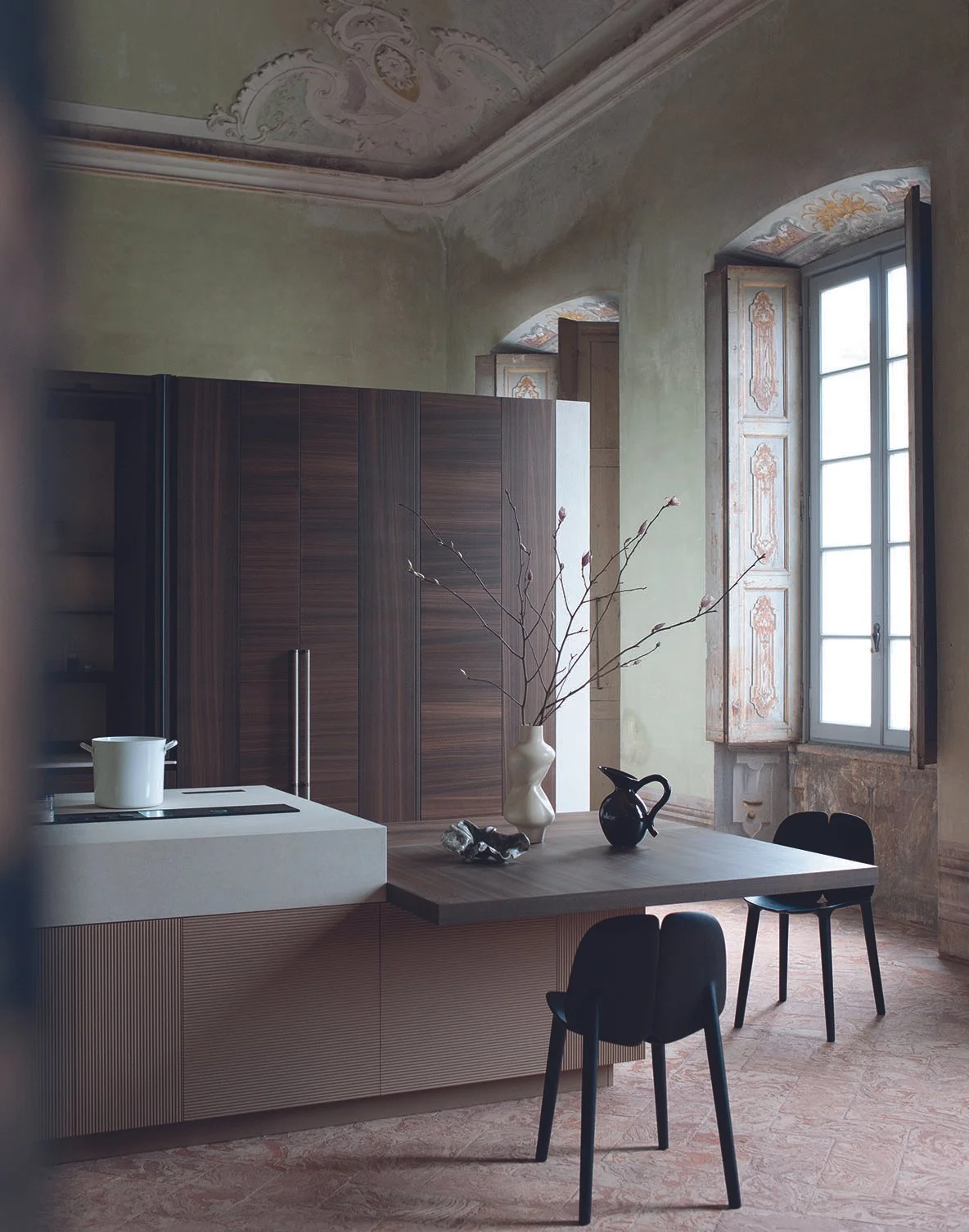
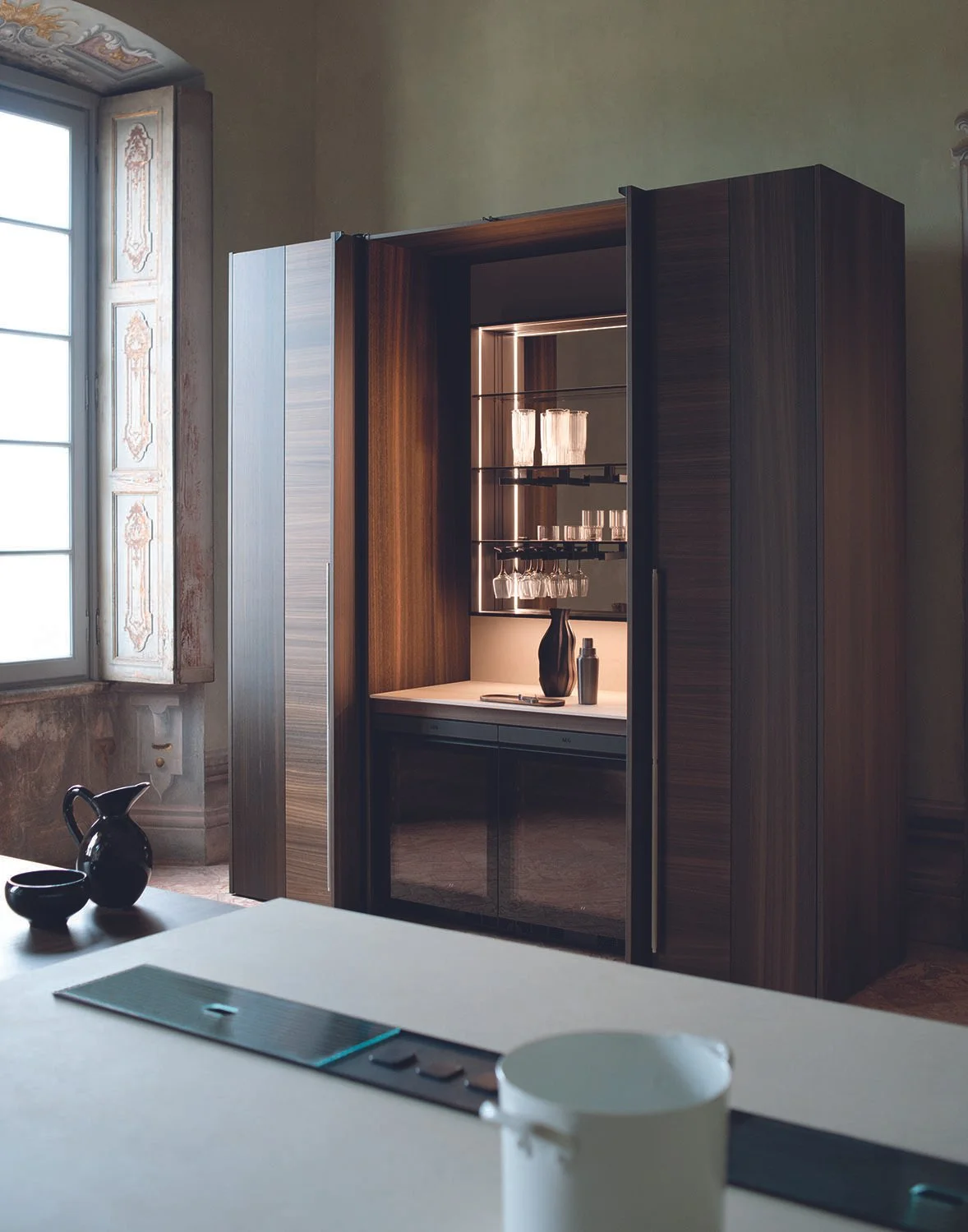
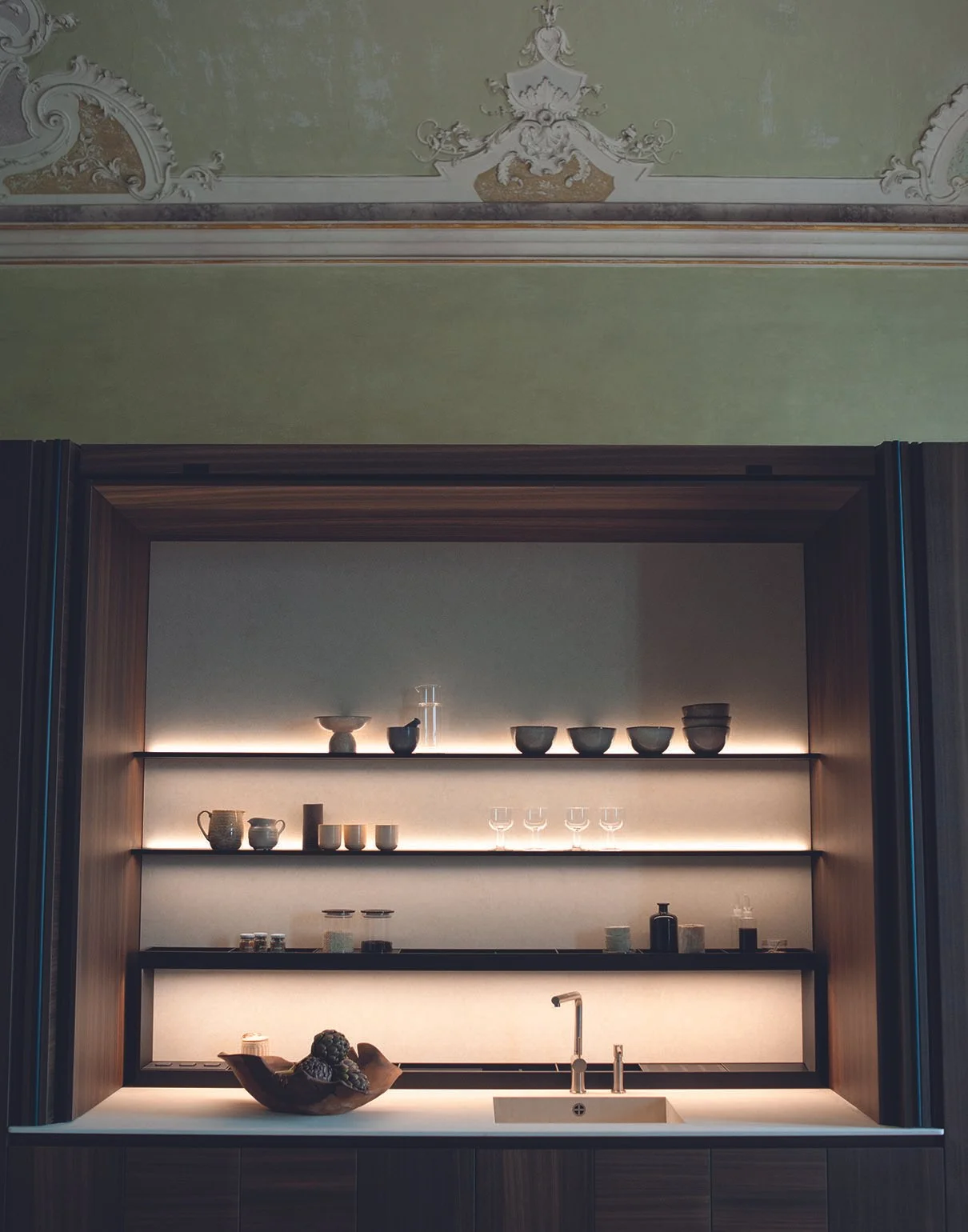
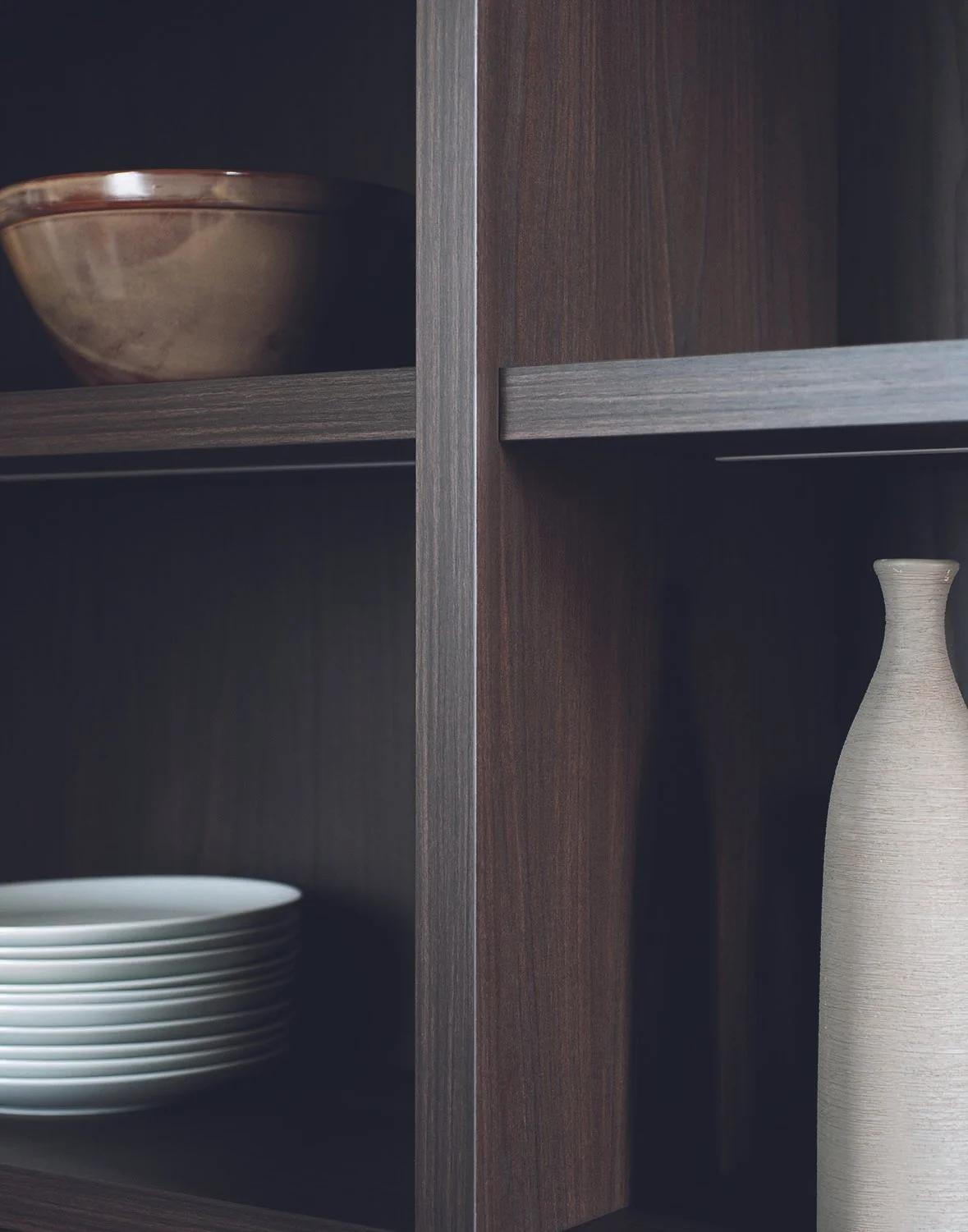
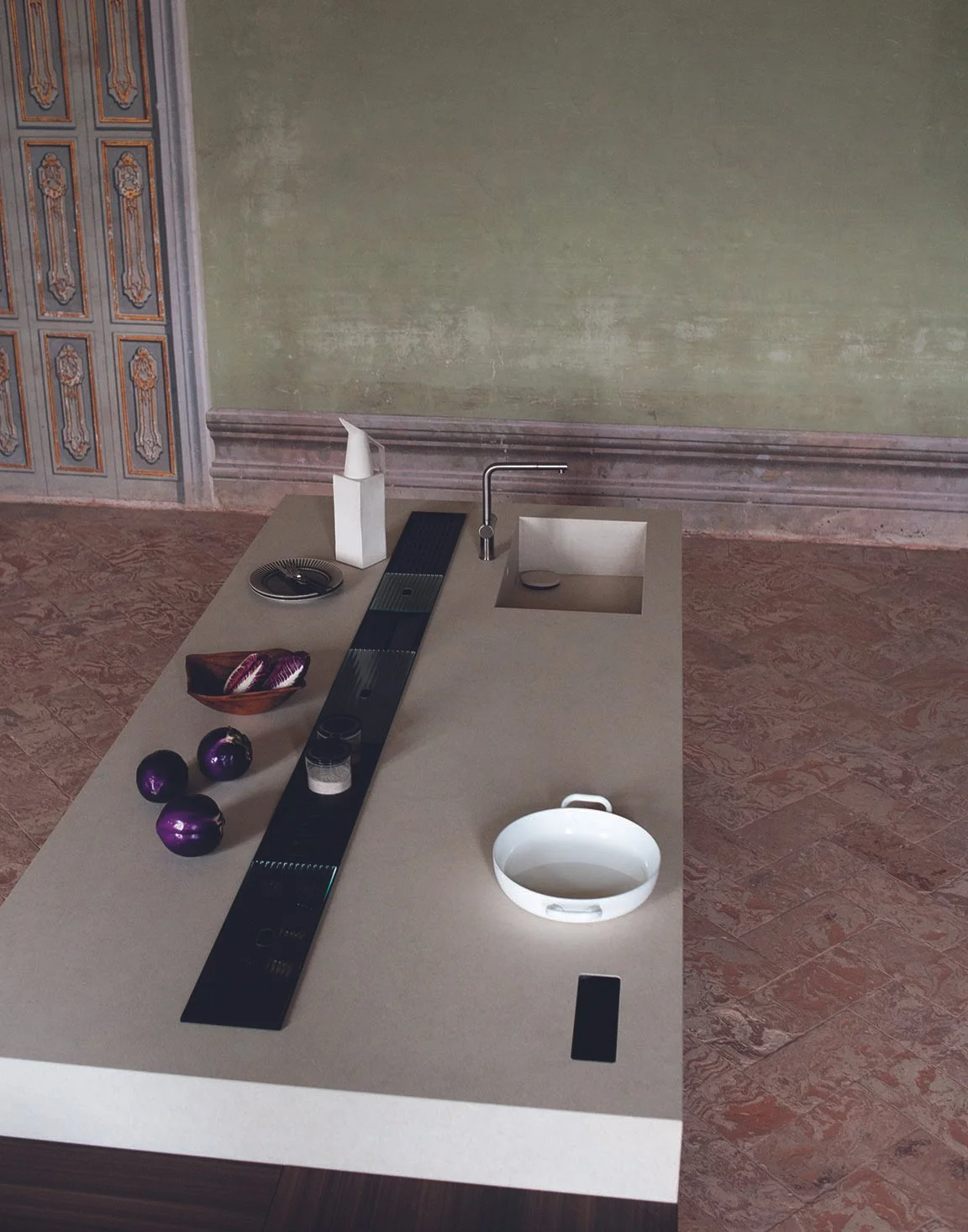
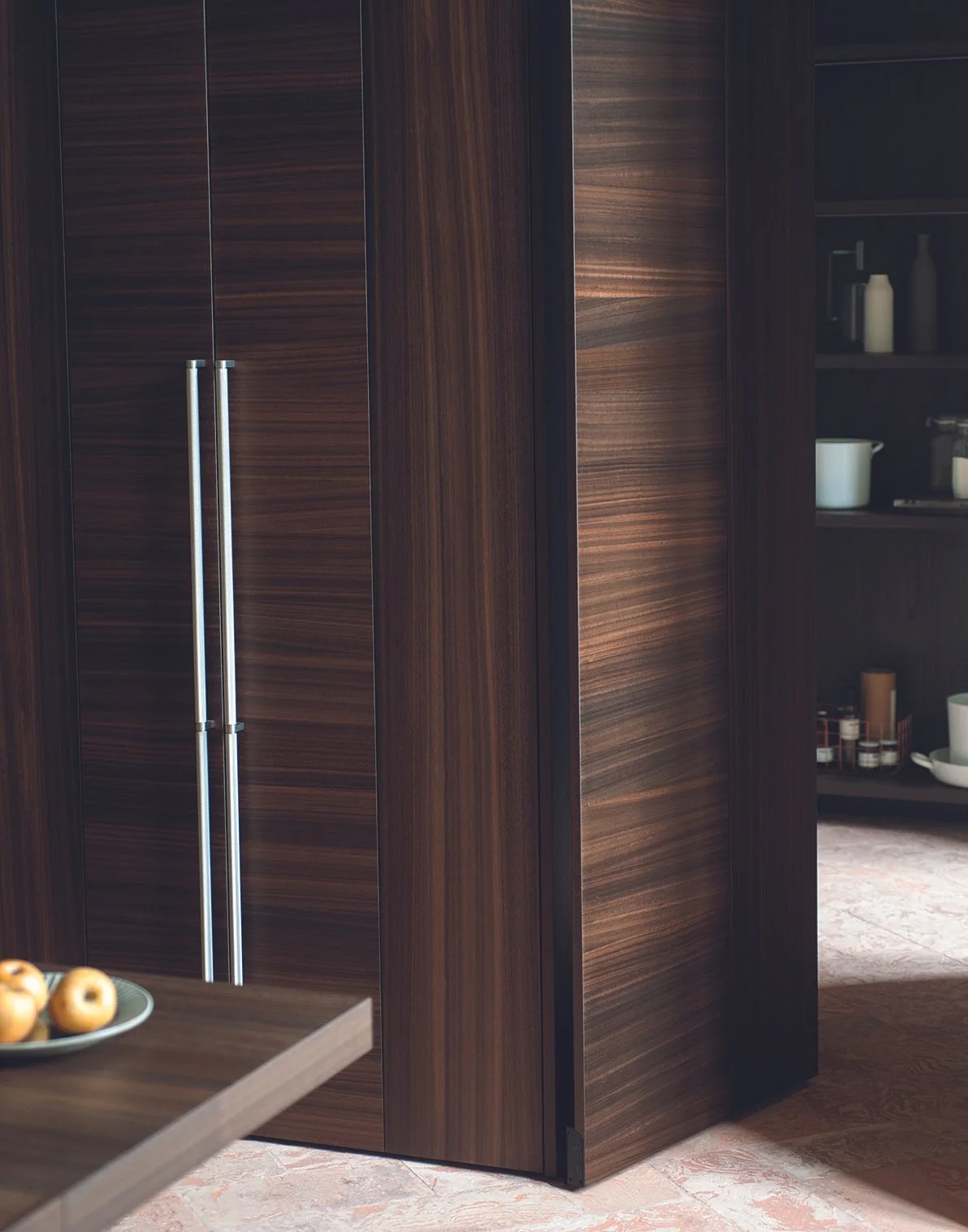
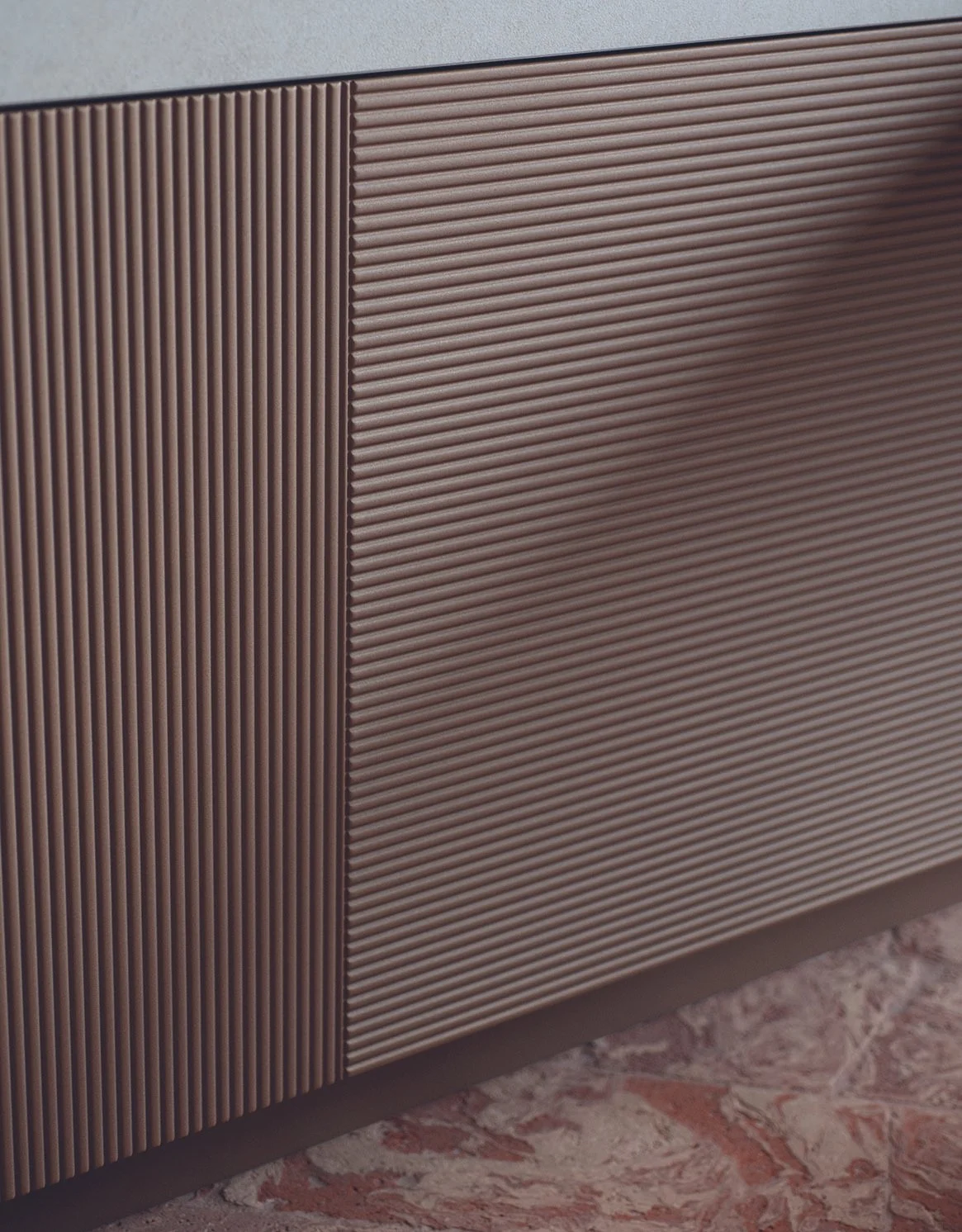
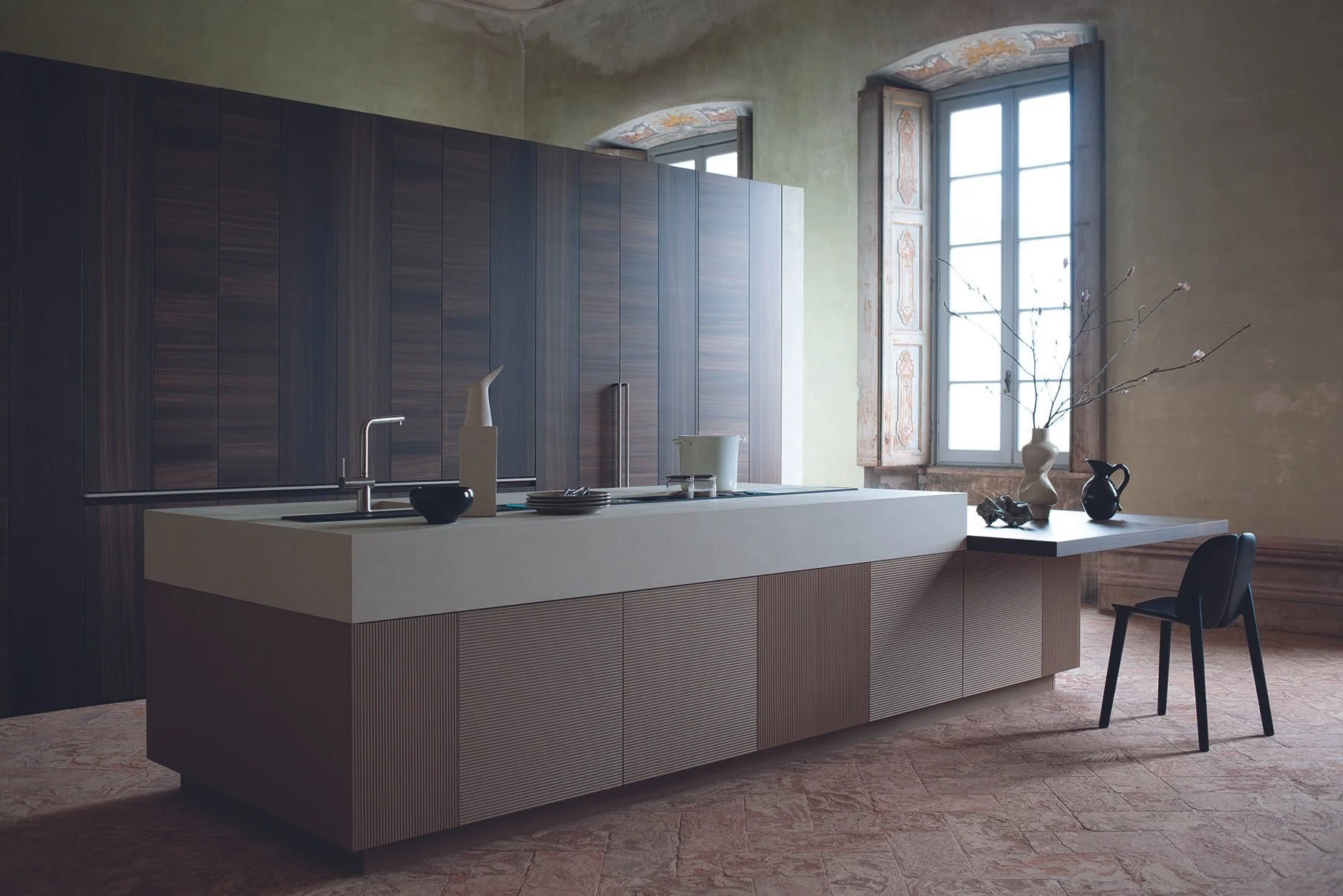
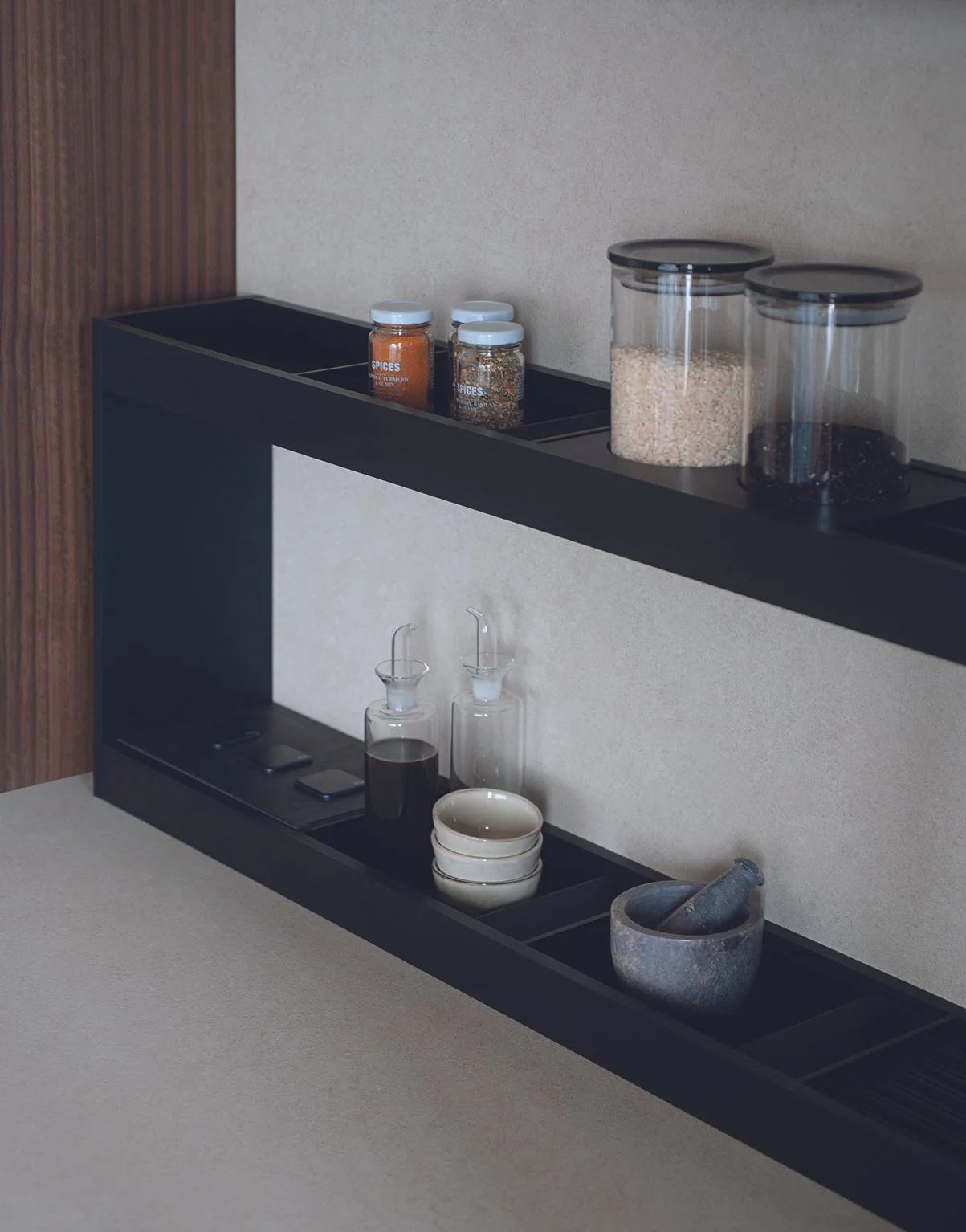
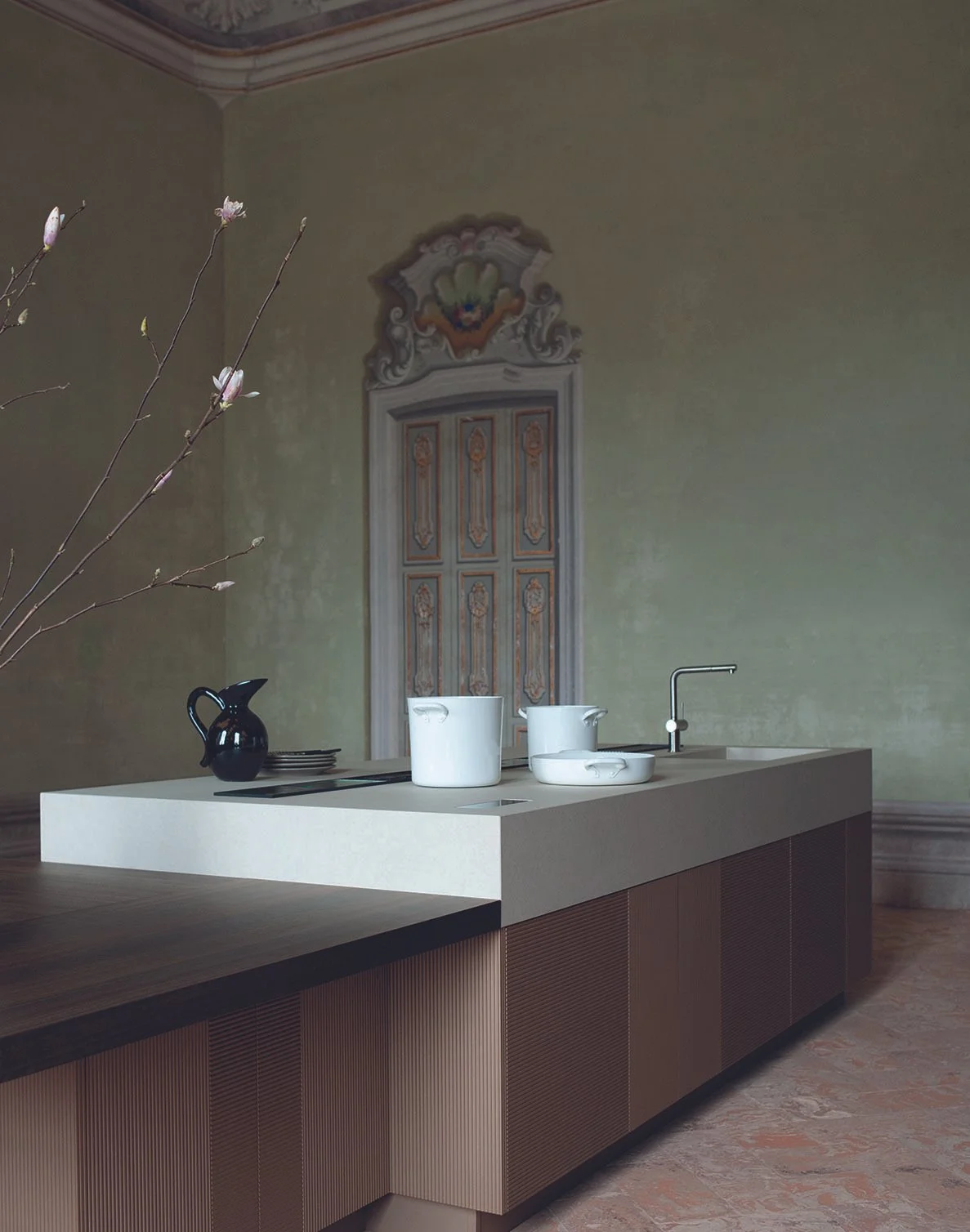
The Intarsio kitchen system, designed by García Cumini, elegantly inhabits the historic rooms of Villa Arconati, highlighting a blend of contemporary minimalism and baroque grandeur. At the heart of the Intarsio system is a thoughtful interplay of lines and textures, reimagining traditional wood surfaces into dynamic, rhythmic patterns. By meticulously rearranging the contours and grains of wood, Intarsio creates subtle optical illusions that speak directly to both modern sensibilities and timeless craftsmanship.
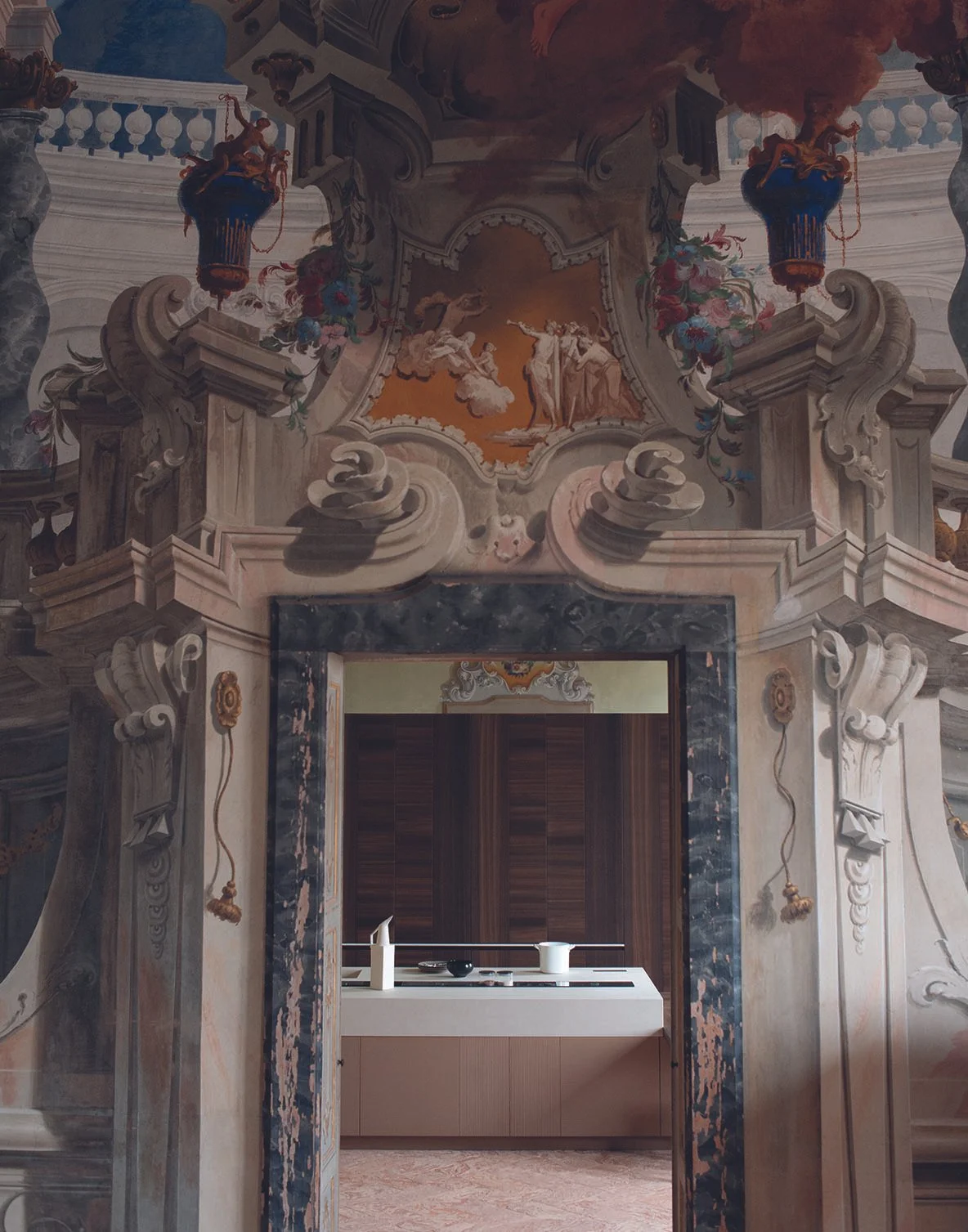
Villa Arconati, once a treasured retreat of Milanese nobility, is renowned for its intricate baroque details, classical frescoes, and sprawling gardens. Its architecture narrates a rich history. from Galeazzo Arconati’s careful enhancements in the early 17th century, through Giuseppe Antonio Arconati’s expansions inspired by French grandeur, to the modern restoration efforts by Fondazione Augusto Rancilio. Placing the Intarsio kitchen within this storied setting amplifies the kitchen’s refined lines, emphasizing García Cumini’s vision of breaking conventional geometry while celebrating the noble essence of wood.
Villa Arconati
Villa Arconati
ENURING FUNCTIONALITY
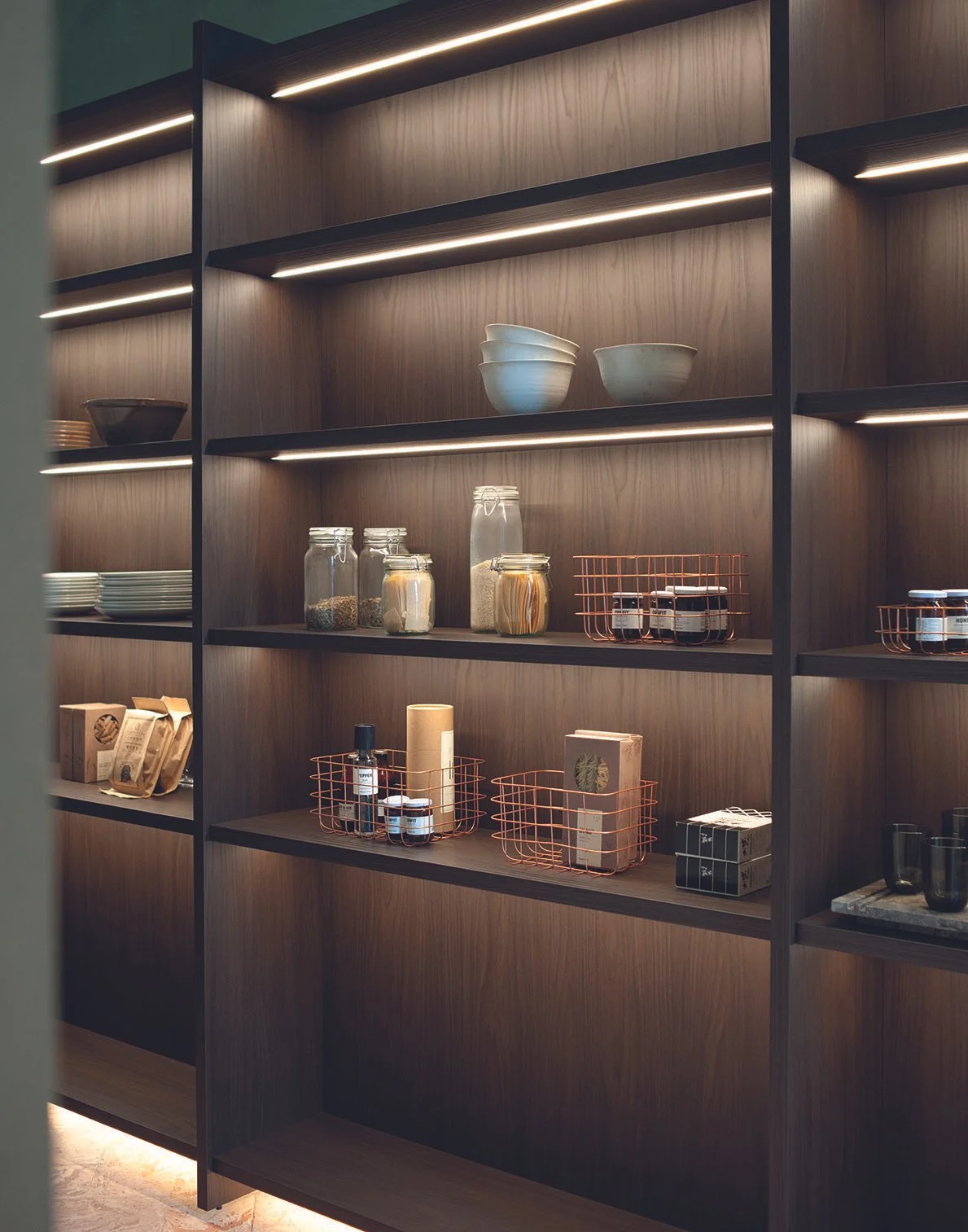
the Intarsio kitchen system embodies the principles of Slow Design, a philosophy rooted in meticulous research AND emotional resonance. The designers, Vicente García Jiménez and Cinzia Cumini, merge Italian and Spanish cultural sensibilities, creating spaces that resonate with both artistic depth and practical ingenuity. With Intarsio, their focus on understanding daily rituals and lifestyles translates into a versatile kitchen that effortlessly integrates cooking, dining, and living areas, enriching daily experiences through thoughtful design.
Each composition of the Intarsio kitchen offers a unique perspective, tailored through modular arrangements and personalized finishes. At Villa Arconati, the contrast between the villa’s elaborate heritage and Intarsio’s restrained yet expressive forms establishes a dialogue that bridges past and present. Cesar’s commitment to precise craftsmanship and innovative technology, executed at their production facility near Venice, ensures each kitchen element embodies excellence and individuality, transforming daily routines into moments of beauty and harmony.
visit the IN-EX showroom and explore the distinctive language of the kitchen systems by Cesar OR CONTACT US FOR MORE INFORMATION ON THE INTARSIO KITCHEN SYSTEM.
IN-EX E-SHOP
NEW CHAPTER
IN-EX has meticulously selected the showroom display products aligning always with the core architectural values of the founding principals, and it is such thoughtful curation that forms the foundation of the E-SHOP's offerings. Portraying the ultimate concept of IN-EX's mission, the E-SHOP will not remain static, instead it will gradually evolve over time.

Due Più Lounge Chair